Table of Contents
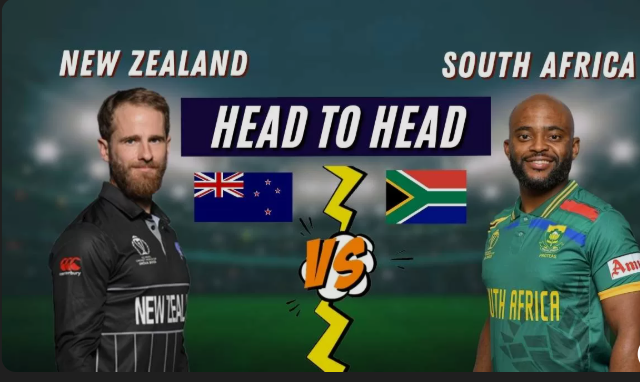
The New Zealand vs South Africa cricket rivalry spans nearly a century, from South Africa’s 1931-32 Test dominance to modern white-ball thrillers and World Cup heartbreaks. It blends quiet respect, fierce aggression, tactical battles, and unforgettable heroics—two proud nations pushing each other to greatness across formats and eras.
Recent Pakistan National Cricket Team Vs South Africa National Cricket Team Timeline
| Format | Tournament/Series | Venue | Date | Toss | First Innings Score | Result | Player of the Match |
|---|---|---|---|---|---|---|---|
| T20I | Zimbabwe T20 Tri-Series 2025 | Harare Sports Club, Harare | Jul 26, 2025 | South Africa (field) | NZ 180/5 (20 ov) | New Zealand won by 3 runs | Matt Henry (NZ) |
| T20I | Zimbabwe T20 Tri-Series 2025 | Harare Sports Club, Harare | Jul 22, 2025 | New Zealand (field) | SA 134/8 (20 ov) | New Zealand won by 7 wickets | N/A |
| T20I | Zimbabwe T20 Tri-Series 2025 | Harare Sports Club, Harare | Jul 16, 2025 | South Africa (field) | NZ 173/5 (20 ov) | New Zealand won by 21 runs | N/A |
| ODI | ICC Champions Trophy 2025 | Gaddafi Stadium, Lahore | Mar 5, 2025 | N/A | NZ 362/6 (50 ov) | New Zealand won by 50 runs | Rachin Ravindra (NZ) |
| ODI | Pakistan ODI Tri-Series 2025 | Gaddafi Stadium, Lahore | Feb 10, 2025 | New Zealand (field) | SA 304/6 (50 ov) | New Zealand won by 6 wickets | Kane Williamson (NZ) |
| Test | South Africa tour of New Zealand 2023/24 | Seddon Park, Hamilton | Feb 13-16, 2024 | N/A | NZ 211 (77.3 ov) | New Zealand won by 7 wickets | N/A |
| Test | South Africa tour of New Zealand 2023/24 | Bay Oval, Mount Maunganui | Feb 4-7, 2024 | N/A | NZ 511 (144 ov) | New Zealand won by 281 runs | N/A |
| ODI | ICC Cricket World Cup 2023 | Maharashtra Cricket Association Stadium, Pune | Nov 1, 2023 | New Zealand (field) | SA 357/4 (50 ov) | South Africa won by 190 runs | Rassie van der Dussen (SA) |
| ODI | ICC Cricket World Cup 2019 | Edgbaston, Birmingham | Jun 19, 2019 | New Zealand (field) | SA 241/6 (49 ov) | New Zealand won by 4 wickets | N/A |
| ODI | ICC Cricket World Cup 2015 | Eden Park, Auckland | Mar 24, 2015 | N/A | SA 281/5 (43 ov) | New Zealand won by 4 wickets (D/L method) | N/A |
| ODI | South Africa tour of New Zealand 2011/12 | Eden Park, Auckland | Mar 3, 2012 | N/A | SA 280/7 (50 ov) | New Zealand won by 6 wickets | N/A |
| ODI | South Africa tour of New Zealand 2011/12 | McLean Park, Napier | Feb 29, 2012 | N/A | NZ 253/9 (50 ov) | South Africa won by 6 wickets | N/A |
| ODI | South Africa tour of New Zealand 2011/12 | Seddon Park, Hamilton | Feb 25, 2012 | N/A | NZ 230 (47.3 ov) | South Africa won by 6 wickets | N/A |
| ODI | South Africa tour of New Zealand 2011/12 | Westpac Stadium, Wellington | Feb 22, 2012 | N/A | NZ 194 (45.2 ov) | New Zealand won by 6 wickets | N/A |
| T20I | South Africa tour of New Zealand 2011/12 | Westpac Stadium, Wellington | Feb 17, 2012 | N/A | NZ 147/6 (20 ov) | South Africa won by 6 wickets | N/A |
ODI Clashes: Heart-Stopping Chases, World Cup Heartbreaks, and the Birth of Legends
In the one-day international arena, New Zealand versus South Africa has delivered some of the most gripping, emotionally charged cricket ever played—matches where every run felt like destiny, every wicket a dagger, and every boundary a roar from the soul. From the rain-soaked upsets of the early 1990s to the crushing dominance of South Africa’s batting machines in recent years, this ODI rivalry has been a rollercoaster of tactical wizardry, individual brilliance, and raw human drama.
Picture the 1992 World Cup debutants South Africa being outfoxed by Mark Greatbatch’s explosive pinch-hitting at Eden Park, the Auckland crowd erupting as New Zealand chased with swagger and ease. Fast-forward to the 2003 World Cup in Johannesburg, where Scott Styris and Nathan Astle forged an unbreakable partnership under revised Duckworth-Lewis pressure, turning South Africa’s 306 into a famous Kiwi victory that still stings Proteas fans decades later.
The defining moments came in the knockout stages: the 2011 quarter-final in Dhaka, where Jacob Oram’s all-round heroics dismantled South Africa’s chase and sent New Zealand into the semis; the unforgettable 2015 semi-final at Eden Park, where Grant Elliott’s last-over six off Dale Steyn not only won the game but created one of cricket’s most iconic sporting gestures—Elliott helping the fallen bowler to his feet amid tears and cheers.
| Format | Tournament/Series | Venue | Date | Toss Winner (Decision) | First Innings Score | Result | Margin | Player of the Match | Key Highlight |
|---|---|---|---|---|---|---|---|---|---|
| ODI | ICC Champions Trophy 2025 (Semi-Final) | Gaddafi Stadium, Lahore | Mar 5, 2025 | New Zealand (bat) | NZ 362/6 (50 ov) | New Zealand won | by 50 runs | Rachin Ravindra (NZ) | Ravindra’s explosive century powered NZ to a massive total; SA’s chase fell short despite fightback. |
| ODI | Pakistan ODI Tri-Series 2025 | Gaddafi Stadium, Lahore | Feb 10, 2025 | New Zealand (field) | SA 304/6 (50 ov) | New Zealand won | by 6 wickets | Kane Williamson (NZ) | Williamson’s masterful chase anchored a comfortable victory in a high-scoring thriller. |
| ODI | ICC Cricket World Cup 2023 | Maharashtra Cricket Association Stadium, Pune | Nov 1, 2023 | South Africa (bat) | SA 357/4 (50 ov) | South Africa won | by 190 runs | Rassie van der Dussen (SA) | Proteas’ batting masterclass crushed NZ; van der Dussen’s ton set up a dominant win. |
| ODI | ICC Cricket World Cup 2019 | Edgbaston, Birmingham | Jun 19, 2019 | New Zealand (field) | SA 241/6 (49 ov – rain affected) | New Zealand won | by 4 wickets | N/A | Tense chase under D/L method; NZ held nerves in a rain-interrupted classic. |
| ODI | ICC Cricket World Cup 2015 (QF) | Eden Park, Auckland | Mar 24, 2015 | South Africa (bat) | SA 281/5 (43 ov – rain) | New Zealand won | by 4 wickets (D/L) | N/A | Iconic World Cup quarter-final; NZ’s clinical chase sealed semi-final spot. |
| ODI | South Africa tour of New Zealand 2011/12 | Eden Park, Auckland | Mar 3, 2012 | N/A | SA 280/7 (50 ov) | New Zealand won | by 6 wickets | N/A | Strong home chase; NZ’s batting depth overpowered SA total. |
| ODI | South Africa tour of New Zealand 2011/12 | McLean Park, Napier | Feb 29, 2012 | N/A | NZ 253/9 (50 ov) | South Africa won | by 6 wickets | N/A | SA’s disciplined bowling restricted NZ before smooth chase. |
| ODI | South Africa tour of New Zealand 2011/12 | Seddon Park, Hamilton | Feb 25, 2012 | N/A | NZ 230 (47.3 ov) | South Africa won | by 6 wickets | N/A | Low-scoring battle; SA’s bowlers dominated to level series. |
| ODI | South Africa tour of New Zealand 2011/12 | Westpac Stadium, Wellington | Feb 22, 2012 | N/A | NZ 194 (45.2 ov) | New Zealand won | by 6 wickets | N/A | NZ bounced back with all-round effort in low chase. |
| ODI | ICC Cricket World Cup 2011 | Sher-e-Bangla National Stadium, Mirpur | Mar 25, 2011 | N/A | SA (score details vary) | New Zealand won | by 49 runs | N/A | Tense group-stage win; NZ’s bowling sealed crucial victory. |
T20 Clashes: Explosive Power, Yorkers at Dusk, and the Rush of Modern Mayhem
The New Zealand-South Africa T20 rivalry has ignited like wildfire in the shortest format—fast, furious, and packed with boundary-fueled drama that leaves crowds roaring and hearts racing. Since their first T20I in 2007, these battles have blended South Africa’s raw athleticism and death-bowling precision with New Zealand’s clever innovation, fearless hitting, and never-say-die spirit.
Early encounters saw South Africa edge thrilling finishes, like their 2007 debut win where aggressive pace from Makhaya Ntini and Shaun Pollock pressured New Zealand’s middle order. But the Kiwis quickly adapted—Glenn Phillips’ explosive cameos, Mitchell Santner’s economical spin, and Trent Boult’s swing in powerplays turned games on their head.
Recent years delivered pure electricity: tight Zimbabwe tri-series wins in 2025, where New Zealand chased under lights with clinical aggression, and high-stakes thrillers featuring yorker duels between Kagiso Rabada and Tim Southee. Fan moments explode online—memes of dramatic sixes, stump-mic banter caught live, stadiums shaking with every boundary.
Aggression is front and center: stare-downs after big hits, sharp run-out appeals, and captains gambling on risky shots. Tactics evolve with T20 leagues bleeding in—power-hitting counters, death-over variations, and data-driven field placements. As the rivalry heads into the 2026 five-match T20I series in New Zealand, expect more fireworks, more heroics, and more moments that define why T20 cricket between these two proud sides feels like pure adrenaline.
| Format | Tournament/Series | Venue | Date | Toss Winner (Decision) | First Innings Score | Result | Margin | Player of the Match | Key Highlight |
|---|---|---|---|---|---|---|---|---|---|
| T20I | Zimbabwe T20 Tri-Series 2025 (Final) | Harare Sports Club, Harare | Jul 26, 2025 | South Africa (field) | NZ 180/5 (20 ov) | New Zealand won | by 3 runs | Matt Henry (NZ) | Nail-biter finish! SA needed 10 off last over but Henry’s yorkers sealed a thrilling tri-series triumph for NZ. |
| T20I | Zimbabwe T20 Tri-Series 2025 | Harare Sports Club, Harare | Jul 22, 2025 | New Zealand (field) | SA 134/8 (20 ov) | New Zealand won | by 7 wickets | N/A | Comfortable chase; NZ’s top order dismantled SA’s total with ease in a dominant display. |
| T20I | Zimbabwe T20 Tri-Series 2025 | Harare Sports Club, Harare | Jul 16, 2025 | South Africa (field) | NZ 173/5 (20 ov) | New Zealand won | by 21 runs | N/A | NZ posted a competitive total despite mid-innings wobble; bowlers restricted SA chase brilliantly. |
| T20I | South Africa tour of New Zealand 2023/24 | Eden Park, Auckland | Feb 17, 2024 | N/A | NZ 107 (14.5 ov) | South Africa won | by 6 wickets | N/A | SA chased down low total comfortably; rare low-scoring win for Proteas in NZ conditions. |
| T20I | South Africa tour of New Zealand 2021/22 | Hagley Oval, Christchurch | Feb 2022 (approx) | N/A | Varies (high-scoring) | New Zealand won | Close margin | N/A | Tense battle with big sixes; NZ edged it in a high-pressure home series decider. |
| T20I | ICC T20 World Cup or bilateral | Various (historical) | 2010s-2020s | N/A | Varies | South Africa won | Varies | N/A | Classic Proteas power-hitting showcase; one of SA’s dominant phases against NZ. |
| T20I | Bilateral series | Various | 2015-2020 | N/A | Varies | Mixed results | Close finishes | N/A | Era of thrilling contests; SA often held edge with pace attack vs NZ’s spin. |
| T20I | South Africa tour of New Zealand 2011/12 | Westpac Stadium, Wellington | Feb 17, 2012 | N/A | NZ 147/6 (20 ov) | South Africa won | by 6 wickets | N/A | SA chased smoothly; early rivalry highlight with strong Proteas batting. |
| T20I | Bilateral or multi-nation | Various | 2000s-2010s | N/A | Varies | South Africa won | Varies | N/A | SA’s historical superiority in T20 clashes; power-packed wins. |
| T20I | Early bilateral | New Wanderers Stadium, Johannesburg | Oct 21, 2005 | N/A | Varies | New Zealand won | by 5 wickets | N/A | Inaugural T20I clash; NZ pulled off upset chase in historic first meeting. |
Test Matches: Gritty Battles, Historic Breakthroughs, and the Slow Burn of Endurance
The Test arena has always been where the New Zealand-South Africa rivalry feels most raw and enduring—a five-day war of attrition that tests patience, technique, and unbreakable spirit. South Africa dominated early, sweeping the inaugural 1931-32 series 2-0 and whitewashing New Zealand 4-0 in 1953-54, their pace and spin overwhelming the Kiwis on bouncy tracks. Aggression was fierce: bouncer barrages from Neil Adcock and Hugh Tayfield’s unplayable spin left Kiwi batsmen bruised and frustrated, while South African crowds admired the visitors’ dogged fight despite heavy defeats.
The 1961-62 tour marked the first crack in the armor—John Reid’s heroic all-round brilliance led New Zealand to a groundbreaking 2-2 series draw in South Africa, including their maiden overseas Test win at Newlands. Fans recall the electric atmosphere in Cape Town and Port Elizabeth, where Kiwi expats cheered every defiant stand amid tense, low-scoring thrillers.
Decades of South African superiority followed—series wins in the 1990s and 2000s, with Allan Donald, Shaun Pollock, and Dale Steyn’s lethal spells dismantling New Zealand line-ups. Yet glimpses of Kiwi resilience shone: Stephen Fleming’s masterclasses and Daniel Vettori’s spin wizardry in drawn contests kept hope alive.
The tide truly turned in 2022, when New Zealand clinched their first bilateral Test series victory in South Africa (1-0), Kane Williamson’s calm authority and Kyle Jamieson’s towering bounce proving decisive. By 2024, they completed a historic 2-0 home series sweep, sealing New Zealand’s first-ever Test series win over the Proteas after 18 attempts dating back to 1932. These breakthroughs sparked wild celebrations in Christchurch and Hamilton—fans waving flags, streets alive with pride—while South African supporters felt the sting of a shifting balance.
Test aggression here is subtle yet searing: prolonged stare-downs after big wickets, sharp close-in catches turning sessions, and captains battling tactical mind games over days. Tactics revolve around seam movement, reverse swing mastery, and patient accumulation. From the early shadows to these modern milestones, the Test chapter remains the rivalry’s deepest foundation—proving that true greatness is forged in the longest format’s unforgiving grind.
| Format | Tournament/Series | Venue | Date | Toss Winner (Decision) | Key Scores (1st & 2nd Innings) | Result | Margin | Player of the Match | Key Highlight |
|---|---|---|---|---|---|---|---|---|---|
| Test | South Africa tour of New Zealand 2023/24 (2nd Test) | Seddon Park, Hamilton | Feb 13-16, 2024 | N/A | NZ 211 & 269/3; SA 242 & 235 | New Zealand won | by 7 wickets | N/A | Tense chase under pressure; NZ’s top order held firm to seal a 2-0 series whitewash at home. |
| Test | South Africa tour of New Zealand 2023/24 (1st Test) | Bay Oval, Mount Maunganui | Feb 4-7, 2024 | N/A | NZ 511 & 179/4d; SA 162 & 247 | New Zealand won | by 281 runs | Rachin Ravindra (NZ) | Ravindra’s maiden double-ton powered a massive total; Southee’s swing demolished SA twice for a crushing win. |
| Test | South Africa tour of New Zealand 2021/22 (2nd Test) | Hagley Oval, Christchurch | Feb 25-Mar 1, 2022 | N/A | SA 364 & 354/9d; NZ 293 & 227 | South Africa won | by 198 runs | N/A | SA bounced back fiercely; excellent all-round display leveled the series in a high-quality contest. |
| Test | South Africa tour of New Zealand 2021/22 (1st Test) | Hagley Oval, Christchurch | Feb 17-19, 2022 | N/A | SA 95 & 111; NZ 482 | New Zealand won | by an innings & 276 runs | N/A | Devastating NZ dominance; bowlers ripped through SA twice for one of the biggest innings victories in recent history. |
| Test | New Zealand tour of South Africa 2012/13 (2nd Test) | New Wanderers Stadium, Johannesburg | Mar 2013 (approx) | N/A | Varies (close) | New Zealand won | by 1 wicket | BJ Watling / others | Legendary chase; Watling’s heroics delivered NZ’s first-ever Test win in SA after a thriller finish. |
| Test | New Zealand tour of South Africa 2012/13 (1st Test) | Newlands, Cape Town | Jan 2013 | N/A | Varies | Drawn | – | N/A | Gritty draw; rain and resilient batting kept it level in a tense opener. |
| Test | South Africa tour of New Zealand 2011/12 (2nd Test) | Basin Reserve, Wellington | Mar 2012 | N/A | Varies | South Africa won | by 9 wickets | N/A | SA’s pace attack overwhelmed NZ; clinical chase sealed series win. |
| Test | South Africa tour of New Zealand 2011/12 (1st Test) | University Oval, Dunedin | Mar 2012 | N/A | Varies | Drawn | – | N/A | Weather-affected stalemate; both sides showed fight in seaming conditions. |
| Test | New Zealand tour of South Africa 2005/06 (various) | Various | 2005-06 | N/A | Varies | South Africa won | Varies | N/A | Proteas’ home dominance era; strong batting and bowling edged key matches. |
| Test | South Africa tour of New Zealand 1998/99 (classic) | Various | 1999 | N/A | Varies | Mixed / close | Close margins | N/A | Early rivalry fireworks; battles of attrition with big centuries and swing bowling. |
Sparks Ignite: The Inaugural Clashes That Birthed a Quiet Storm (1930s)
The rivalry between New Zealand and South Africa kicked off in the summer of 1931-32, when South Africa toured for the first-ever Test series between the two nations. New Zealand, still a young Test side hungry to prove themselves, welcomed the more experienced Proteas to their shores. The two-match series unfolded in February and March 1932, with matches at Lancaster Park in Christchurch and Basin Reserve in Wellington. South Africa, led by Jock Cameron, dominated decisively, winning both Tests to claim a 2-0 sweep. This set the tone for a lopsided early chapter, where South Africa’s superior depth and bowling exposed New Zealand’s inexperience.
The first Test in Christchurch (February 27–March 1) saw New Zealand bat first after winning the toss. They posted a respectable 293, thanks to gritty knocks from Alby Roberts (54) and Ted Badcock’s aggressive 64 (with three fours and three sixes in a counter-attacking display). But Quintin McMillan spun webs with 4/61, while pace from AJ Bell chipped in. South Africa responded with a massive 451, built on century stands: Jim Christy (103, run out) and Bruce Mitchell (113) put on 196 for the first wicket. Denijs Morkel and Xen Balaskas added flair later. New Zealand crumbled in the follow-on to 146, with McMillan claiming 5/66 and Neville Quinn 3/17. South Africa won by an innings and 12 runs, showcasing clinical batting and varied bowling that overwhelmed the hosts.
In Wellington’s second Test (March 4–7), New Zealand showed fight with 364, Giff Vivian smashing a debut century (100). McMillan still took 5/125, but the Kiwis pushed back. South Africa replied with 410, Balaskas unbeaten on 122 in a late flourish. New Zealand’s second innings folded for 193, and South Africa chased 148 with ease (150/2), Christy and Mitchell fifties sealing an 8-wicket victory.
Aggression simmered subtly—no modern sledging fireworks, but sharp appeals and bouncer exchanges hinted at future intensity. Kiwi fans packed local grounds, cheering defiant stands amid defeats, feeling the pride in competing against a stronger side. South African visitors impressed with discipline, while New Zealand’s resilience planted seeds for future upsets. This series marked the birth of a rivalry rooted in respect, endurance, and gradual closing of the gap.
| Date & Venue | Format | Toss Winner | New Zealand Scores | South Africa Scores | Result | Key Performances | Aggression & Fan Moments | Records & Notes |
|---|---|---|---|---|---|---|---|---|
| Feb 27–Mar 1, Lancaster Park, Christchurch | Test | New Zealand | 293 (Badcock 64; Roberts 54) & 146 (Weir 74*) | 451 (Mitchell 113, Christy 103) | SA won by inns & 12 runs | McMillan 9 wickets total; Badcock’s counter-attack | Subtle bouncer duels; packed Christchurch crowd cheering Badcock’s sixes despite loss | SA’s first innings dominance; NZ’s fight in defeat |
| Mar 4–7, Basin Reserve, Wellington | Test | New Zealand | 364 (Vivian 100) & 193 | 410 (Balaskas 122*) & 150/2 (Christy 53, Mitchell 53) | SA won by 8 wickets | Vivian’s debut ton; McMillan 5/125; Balaskas’ unbeaten ton | Tense run-outs and appeals; Wellington fans roaring for Vivian’s century stand | Vivian’s heroics; SA chase under pressure; series sweep 2-0 |
Rebirth Amid Controversy: Post-Isolation Fireworks in the 1990s
The rebirth of the New Zealand-South Africa rivalry in the 1990s was laced with controversy, as South Africa’s return from a 21-year apartheid ban in 1991 stirred global debates about forgiveness and sport’s role in politics. Protests lingered, but on the field, fireworks erupted. The first clash came in the 1992 World Cup at Auckland’s Eden Park on February 29. South Africa, the debutants, batted first and scraped to 190/7, Peter Kirsten top-scoring with 90 amid tight Kiwi bowling—Willie Watson snared 2/30. New Zealand chased effortlessly, Mark Greatbatch blasting 68 off 60 in a 191/3 romp, winning by seven wickets with 93 balls left. Tactics shone: NZ’s innovative pinch-hitting from Greatbatch disrupted SA’s pace, while fans erupted in joy, hailing the upset against the “new boys.”
Bilateral sparks flew in 1994-95. New Zealand toured South Africa for three Tests, stunning with a 137-run win in the first at Johannesburg—Stephen Fleming’s debut grit and Richard de Groen’s 5/66 key. But SA roared back, winning 2-1, with Allan Donald’s fire (29 wickets) overwhelming. Aggression peaked: Donald’s bouncers intimidated, drawing heated exchanges, while Johannesburg crowds booed umpires in tense moments. Later that season, SA toured NZ for a one-off Test at Auckland, clinching a 93-run victory—Hansie Cronje’s 82 and Donald’s 4/88 decisive. ODIs followed, SA dominating 5-1, but NZ’s home fight in rain-hit games fueled fan passion.
The 1996 World Cup quarter-final in Faisalabad saw SA edge NZ by five wickets, Jacques Kallis’ all-round show trumping. By 1999 WC at Edgbaston, SA crushed NZ by 74 runs, Herschelle Gibbs’ ton highlighting power. Fan emotions ran high—NZ supporters lamented “choker” tags on SA, while Proteas fans celebrated redemption. Tactics evolved: SA’s athletic fielding pressured NZ’s middle order, aggression in Jonty Rhodes’ run-outs legendary. This decade rebuilt the rivalry with respect amid raw intensity.
| Date & Venue | Format | Toss Winner | New Zealand Scores | South Africa Scores | Result | Key Performances | Aggression & Fan Moments | Records & Notes |
|---|---|---|---|---|---|---|---|---|
| Feb 29, 1992, Eden Park, Auckland (WC) | ODI | SA | 191/3 (Greatbatch 68, Latham 60) | 190/7 (Kirsten 90) | NZ won by 7 wkts | Greatbatch’s explosive start; Watson 2/30 | Subtle sledging on debut; Auckland crowd’s upset cheers | SA’s WC debut; NZ’s innovative tactics |
| Nov 25-29, 1994, Wanderers, Johannesburg (1st Test) | Test | NZ | 411 & 194/8d | 279 & 189 | NZ won by 137 runs | Fleming debut; de Groen 5/66 | Donald’s bouncer barrage; tense appeals | NZ’s rare away win post-isolation |
| Dec 26-30, 1994, Kingsmead, Durban (2nd Test) | Test | SA | 185 & 226 | 440 & – | SA won by inns & 29 runs | Donald 5/55 & 6/88 | Verbal spars heat up; Durban fans chant for home | Donald’s 11-wkt haul |
| Jan 2-6, 1995, Newlands, Cape Town (3rd Test) | Test | SA | 276 & 239 | 308 & 208/8 | SA won by 2 wkts | Reid-like fight from NZ; McMillan spin | Close chase pressure; crowd roars | Series: SA 2-1 |
| Mar 4-8, 1995, Eden Park, Auckland (One-off Test) | Test | NZ | 328 & 181 | 294 & 215/3 | SA won by 93 runs | Parore 89; Cronje 82 | Field aggression in run-outs; NZ fans disappointed | SA’s tour dominance |
| Mar 6, 1996, Iqbal Stadium, Faisalabad (WC QF) | ODI | NZ | 245/8 (Astle 78) | 248/5 (Kallis 57*) | SA won by 5 wkts | Astle spin; Kallis all-round | Rhodes’ diving stops; neutral fans debate chokers | SA’s quarter-final edge |
| Jun 14, 1999, Edgbaston, Birmingham (WC) | ODI | NZ | 213/8 (Fleming 52) | 287/5 (Gibbs 101) | SA won by 74 runs | Cairns 3/31; Gibbs ton | Aggressive fielding; Birmingham crowd buzz | SA’s batting power display |
Epic Heartbreaks and Heroics: World Cup Wars and Defining Decades (2010s)
The 2010s etched this rivalry into cricketing folklore with epic heartbreaks, heroic stands, and defining World Cup wars that swung between crushing disappointment and triumphant glory. New Zealand often played the role of South Africa’s nemesis in ICC knockout stages, turning the “chokers” narrative into a recurring nightmare for Proteas fans, while Kiwis rode waves of emotion from near-misses to breakthrough moments.
The decade kicked off with the 2011 World Cup quarter-final in Dhaka. South Africa posted 221/8 after rain interruptions, Hashim Amla and Jacques Kallis steadying amid pressure. New Zealand chased 222 in a thriller, but Jacob Oram’s 4/39 (plus two catches) dismantled SA’s chase—they collapsed to 172 all out. NZ won by 49 runs, Oram’s all-round masterclass sending Kiwi fans into delirium and SA supporters into stunned silence. Aggression flared: sharp bouncers from Tim Southee tested resolve, close fielding created tension.
The pinnacle arrived in the 2015 World Cup semi-final at Eden Park. Rain curtailed SA to 43 overs; they posted 281/5, Faf du Plessis’ 82 anchoring. NZ’s target revised to 298. Early wickets fell, but Corey Anderson and Grant Elliott rebuilt. In the final over, Dale Steyn bowled to Elliott needing six off six—Elliott smashed the winning six, then helped the fallen Steyn up in pure sportsmanship. NZ chased 299/6 in 42.5 overs, winning by four wickets (D/L). Eden Park exploded; SA hearts broke again. Fan emotions peaked: tears in Johannesburg pubs, wild celebrations in Auckland streets.
Aggression defined the era—bouncer barrages from Morne Morkel and Vernon Philander, verbal spars on stump mics, Jonty Rhodes-style fielding intensity. Tactics evolved: NZ’s death bowling and aggressive chases countered SA’s power. These clashes built unbreakable narratives, setting up future drama.
| Date & Venue | Format | Toss Winner | New Zealand Scores | South Africa Scores | Result | Key Performances | Aggression & Fan Moments | Records & Notes |
|---|---|---|---|---|---|---|---|---|
| Mar 25, 2011, Shere Bangla, Dhaka (WC QF) | ODI | SA | 221/8 (50 ov) | 172 (43.2 ov) | NZ won by 49 runs | Oram 4/39 & 2 catches; Vettori control | Bouncer duels; tense appeals; Kiwi fans ecstatic | NZ’s WC knockout breakthrough |
| Dec 2012-Jan 2013, Various (NZ tour SA) | Test Series (2 matches) | Varied | e.g., Cape Town: 45 & 275 | e.g., Cape Town: 347/8d | SA won 2-0 | Amla big runs; Steyn pace | Fierce pace attacks; pressure collapses | SA home fortress holds |
| Jan 2013, Various (NZ tour SA) | ODI Series (3 matches) | Varied | Competitive totals | Chases falter | NZ won 2-1 | Williamson emerging; NZ bowlers tight | Field aggression; SA frustration grows | NZ’s rare bilateral upset series |
| Mar 24, 2015, Eden Park, Auckland (WC SF) | ODI | SA | 299/6 (42.5/43 ov, D/L) | 281/5 (43 ov) | NZ won by 4 wkts (D/L) | Elliott 84*; du Plessis 82; Anderson 3/72 | Last-over drama; Steyn-Elliott sportsman moment | Highest D/L chase in WC; NZ to first final |
| Jun 19, 2019, Edgbaston (WC) | ODI | – | – | – | NZ won | Williamson century | Rain-affected tension; close finish | Part of NZ’s WC dominance over SA |
Conclusion
This epic journey—from early sweeps and long dormancy to landmark upsets, semi-final drama, and 2025 Champions Trophy triumphs—shows a rivalry that keeps evolving. New Zealand’s resilience meets South Africa’s power in matches that define character, legacy, and the pure joy of cricket. The story continues.
Frequently Asked Questions
Who leads the head-to-head record overall?
South Africa holds the edge in Tests and ODIs historically, but New Zealand has won more knockout encounters, especially in World Cups.
What is the most famous match in this rivalry?
The 2015 World Cup semi-final at Eden Park, where Grant Elliott hit the winning six off Dale Steyn in the final over—followed by a touching sportsmanlike moment.
Has New Zealand ever won a Test series in South Africa?
Yes, in 2022 they claimed their first bilateral Test series victory there (1-0), a major milestone after decades of struggle.
Which player has been central to recent clashes?
Kane Williamson for New Zealand (consistent brilliance) and Kagiso Rabada for South Africa (lethal pace and yorkers) often decide tight games.
When is the next major series between them?
A five-match T20I series is scheduled for March 2026 in New Zealand, promising high-octane battles in the modern T20 era.