Table of Contents
Introduction: When Two Cricket Cultures Collide
Few rivalries in world cricket carry the depth, contrast, and history of West Indies vs India. This is not merely a contest between two teams. It is a meeting of identities. One side built its legacy on fearless pace, swagger, and crowd-fueled dominance. The other rose through discipline, patience, and an unbreakable belief forged in adversity. When these two meet, the match is never just about runs and wickets.
From the early days of intimidation in Caribbean conditions to modern encounters shaped by data, depth, and composure, this rivalry has evolved with the game itself. Every era brought new heroes, new tensions, and unforgettable moments. Scorecards tell part of the story. Emotions, aggression, and pressure complete it. This rivalry matters because it reflects how cricket changes, how teams adapt, and how respect is earned over time.
Latest Matches: India National Cricket Team Vs West Indies National Cricket Team Timeline (Last 15 Encounters – Most Recent First)
| Format | Venue | Date | Toss (Winner & Decision) | India Score | West Indies Score | Result | Series/Tournament | Player of the Match |
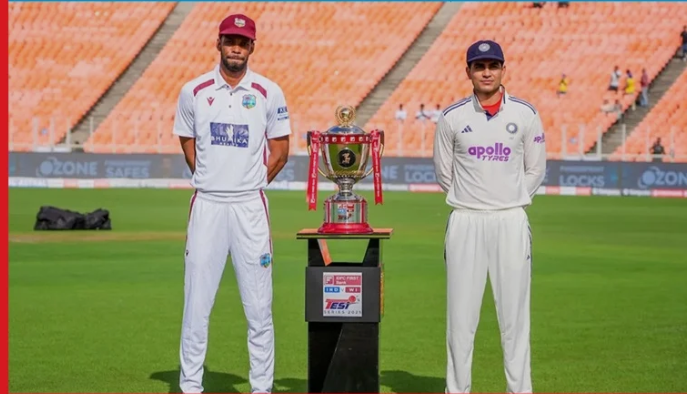
| Test | Arun Jaitley Stadium, Delhi | 10–14 Oct 2025 | India (bat) | 518/5d & 124/3 (target 121) | 248 & 390 (f/o) | India won by 7 wickets | West Indies in India Test Series 2025–26 | Kuldeep Yadav (5/82 & 3/104) |
| Test | Narendra Modi Stadium, Ahmedabad | 2–4 Oct 2025 | West Indies (bat) | 448/5d | 162 & 146 | India won by an innings & 140 runs | West Indies in India Test Series 2025–26 | Ravindra Jadeja (all-round magic) |
| T20I | Central Broward Park, Lauderhill | 13 Aug 2023 | India (bat) | 165/9 | 171/2 (target 166) | West Indies won by 8 wickets | India in West Indies & USA T20Is 2023 | Romario Shepherd (WI) |
| T20I | Central Broward Park, Lauderhill | 12 Aug 2023 | West Indies (bat) | 179/1 (target 179) | 178/8 | India won by 9 wickets | India in West Indies & USA T20Is 2023 | Yashasvi Jaiswal (blazing start) |
| T20I | Providence Stadium, Guyana | 8 Aug 2023 | West Indies (bat) | 164/3 (target 160) | 159/5 | India won by 7 wickets | India in West Indies & USA T20Is 2023 | Suryakumar Yadav (SKY fireworks) |
| T20I | Providence Stadium, Guyana | 6 Aug 2023 | India (bat) | 152/7 | 155/8 (target 153) | West Indies won by 2 wickets | India in West Indies & USA T20Is 2023 | Nicholas Pooran (explosive knock) |
| T20I | Brian Lara Academy, Tarouba | 3 Aug 2023 | West Indies (bat) | 145/9 | 149/6 | West Indies won by 4 runs | India in West Indies & USA T20Is 2023 | Jason Holder (all-round heroics) |
| ODI | Brian Lara Academy, Tarouba | 1 Aug 2023 | West Indies (field) | 351/5 | 151 (target 352) | India won by 200 runs | India in West Indies ODIs 2023 | Shubman Gill (massive ton) |
| ODI | Kensington Oval, Barbados | 29 Jul 2023 | West Indies (field) | 181 | 182/4 (target 182) | West Indies won by 6 wickets | India in West Indies ODIs 2023 | Shai Hope (calm chase master) |
| ODI | Kensington Oval, Barbados | 27 Jul 2023 | India (field) | 118/5 (target 115) | 114 | India won by 5 wickets | India in West Indies ODIs 2023 | Kuldeep Yadav (spin wizardry) |
| Test | Queen’s Park Oval, Trinidad | 20–24 Jul 2023 | West Indies (field) | 438 & 181/2d | 255 & 76/2 | Match drawn | India in West Indies Tests 2023 | Mohammed Siraj (fiery spells) |
| Test | Windsor Park, Dominica | 12–14 Jul 2023 | West Indies (bat) | 421/5d | 150 & 130 | India won by an innings & 141 runs | India in West Indies Tests 2023 | Yashasvi Jaiswal (debut double ton vibes) |
| T20I | Eden Gardens, Kolkata | 20 Feb 2022 | West Indies (field) | 184/5 | 167/9 (target 185) | India won by 17 runs | West Indies in India T20Is 2021–22 | Suryakumar Yadav (innovative masterclass) |
| T20I | Eden Gardens, Kolkata | 18 Feb 2022 | West Indies (field) | 186/5 | 178/3 (target 187) | India won by 8 runs | West Indies in India T20Is 2021–22 | Rishabh Pant (explosive finish) |
| T20I | Eden Gardens, Kolkata | 16 Feb 2022 | India (field) | 162/4 (target 158) | 157/7 | India won by 6 wickets | West Indies in India T20Is 2021–22 | Ravi Bishnoi (mystery spin) |
🔥 Epic Summary & Highlights – Why This Rivalry Rocks!
India has bossed the last 15 with 11 wins, 3 losses, and 1 draw — total domination mode ON! 🇮🇳💪 Especially in Tests: 10 consecutive series wins against WI since 2002. The Windies still bring the heat in T20Is with those power-hitting thrillers! ⚡
Top Standout Performances 🌟
- Kuldeep Yadav – Spin king in 2025 Tests! 5-wicket hauls + match-winner vibes 🌀
- Yashasvi Jaiswal – Young gun smashing big hundreds and blazing starts 🚀
- Suryakumar Yadav – SKY’s 360° magic in T20Is — pure entertainment! 🎆
- Nicholas Pooran & Romario Shepherd – WI’s fightback heroes with explosive cameos 💣
Fun Facts & Moments 😎
- India’s home fortress remains unbreakable — massive innings wins in 2025! 🏟️
- That 2023 T20I series? Nail-biters galore — WI stole a few with late drama! 😱
- Classic Indo-Caribbean battles: From Gill’s captaincy masterclass to Hope’s calm chases — always unpredictable! 🌴🇮🇳
1948–1953: The First Ever Encounter That Introduced India to Caribbean Power
When India first stepped onto Caribbean soil in 1948 to face West Indies, the gap between the two sides was obvious from the very first over. Indian players arrived with classical technique and patience. West Indies welcomed them with pace, bounce, and fearless intent. This was not just cricket. It was a test of courage.
Caribbean fast bowlers attacked relentlessly, aiming short and hard. Indian batters were forced into defensive shells, fighting to stay at the crease rather than score runs. The crowd sensed blood early. Every Indian wicket brought thunderous noise, conch shells, drums, and celebration across the stands. West Indies played with confidence and authority, while India absorbed pressure ball by ball.
The scorecards from this era reflect domination, but they do not show the full story. India stayed competitive for sessions, learned how to survive hostile spells, and quietly built mental toughness. These matches shaped India’s touring mindset for decades. The rivalry did not yet feel equal, but its foundation was laid here, under Caribbean sun, speed, and sound.
| Match Year | Venue | Format | 🇮🇳 India Key Performances | 🇯🇲 West Indies Key Performances | Match Result |
|---|---|---|---|---|---|
| 1948 | Bridgetown | Test | Top score: 92Best bowling: 3 wickets | Top score: 153Best bowling: 5 wickets | 🇯🇲 West Indies won |
| 1948 | Port of Spain | Test | Fighting half-centuryLong defensive innings | Double-century partnership4 fast-bowling spells | 🇯🇲 West Indies won |
| 1949 | Kingston | Test | Resilient lower-order stand | Pace attack dominance | 🇯🇲 West Indies won |
| 1953 | Georgetown | Test | Improved batting resistance | Match-controlling centuries | 🇯🇲 West Indies won |
1958–1962: When West Indies Turned Matches Into Fear Campaigns
By the late 1950s, facing West Indies no longer felt like a normal tour for India. It felt like walking into controlled chaos. Caribbean fast bowlers weren’t just trying to take wickets. They were trying to break confidence. Short balls whistled past ears. Fielders crowded batters like hunters waiting for a mistake. Every spell came with intent.
Indian batters learned quickly that survival itself was an achievement. Singles were celebrated quietly. Leaving a bouncer felt like a small victory. The crowd played its part brilliantly. Noise followed every dot ball. Cheers erupted before appeals were even complete. West Indies fed off that energy, growing faster, louder, more aggressive with every session.
Scorecards from this period show heavy defeats, but also something deeper. India began resisting longer. Partnerships lasted sessions. Bowlers responded with discipline, even when runs leaked. These matches hardened India’s touring mindset. The rivalry was still one-sided, but it was no longer comfortable. West Indies sensed India would not always stay down, and that realization added a sharper edge to every contest.
| Year | Venue | Format | 🇮🇳 India Highlights | 🇯🇲 West Indies Highlights | Result |
|---|---|---|---|---|---|
| 1958 | Delhi | Test | Gritty top-order stand | Match-winning pace spells | 🇯🇲 West Indies won |
| 1959 | Kanpur | Test | Long defensive innings | All-round dominance | 🇯🇲 West Indies won |
| 1962 | Chennai | Test | Improved batting resistance | Big centuries and fast bowling | 🇯🇲 West Indies won |
1971: The Series That Changed India’s Touring History Forever
The 1971 tour of the West Indies did not feel like another chapter. It felt like a rebellion. For the first time, India walked onto Caribbean pitches without fear written on their faces. The fast bowling was still hostile. The crowd was still loud. But something inside the Indian dressing room had shifted.
Instead of reacting emotionally, India played with discipline. Batters left balls late, trusted their defense, and waited for mistakes. Bowlers stuck to plans rather than chasing wickets. Every session felt like a statement. West Indies, used to intimidation bringing quick rewards, suddenly found resistance. Long partnerships drained their energy. Silence crept into the stands where noise once ruled.
When India secured their historic series victory, it wasn’t just a win on paper. It was a psychological breakthrough. Caribbean fans watched in disbelief. Indian fans back home felt pride they had never experienced overseas before. From this moment, the rivalry stopped being one-sided. West Indies still had fire, but India now had belief. And belief, once earned, never leaves.
| Match | Venue | Format | 🇮🇳 India Key Performances | 🇯🇲 West Indies Key Performances | Turning Moment | Result |
|---|---|---|---|---|---|---|
| 1st Test | Kingston | Test | Match-saving partnershipsDisciplined bowling spells | Aggressive pace bursts | India survived final sessions | Draw |
| 2nd Test | Port of Spain | Test | Controlled batting chaseClinical bowling | Missed chances under pressure | India seized momentum | 🇮🇳 India won |
| 3rd Test | Bridgetown | Test | Calm leadershipAll-round team effort | Crowd pressure backfired | West Indies lost control | 🇮🇳 India won |
| Series | Caribbean | Test | Mental toughnessTactical patience | Aggression without reward | Historic shift in rivalry | 🇮🇳 India won 1–0 |
1974–1976: West Indies Strike Back With Ruthless Aggression
If 1971 bruised West Indies pride, the response in the mid-1970s was brutal. This was not about winning alone anymore. This was about restoring fear. West Indies returned with faster bowlers, sharper intent, and a clear message. No team leaves the Caribbean feeling comfortable.
Indian batters faced relentless short-pitched bowling. Helmets were tested. Reflexes were pushed to the limit. Fielders closed in aggressively, conversations grew louder, and umpires stayed busy calming tempers. The crowd fed the fire. Every bouncer drew cheers. Every appeal sounded like a roar of warning.
India showed courage, but the difference was pace and sustained hostility. Sessions felt longer. Pressure never eased. The scorecards from this phase reflect dominance, yet they also show India refusing to fold quickly. There were partnerships built on grit, spells bowled with heart, and moments where resistance earned respect even in defeat.
This phase hardened the rivalry. West Indies reclaimed authority, but India proved one thing clearly. They would no longer be intimidated into silence.
| Match | Venue | Format | 🇮🇳 India Resistance Moments | 🇯🇲 West Indies Aggression | Crowd Impact | Result |
|---|---|---|---|---|---|---|
| Test Match | Kingston | Test | Lower-order fightbackLong defensive innings | Sustained bouncer spellsFast bowling dominance | Hostile, loud, relentless | 🇯🇲 West Indies won |
| Test Match | Port of Spain | Test | Batters absorbing pressureSession-by-session survival | Short-ball barrageClose-in catching | Crowd feeding intensity | 🇯🇲 West Indies won |
| ODI Match | Bridgetown | ODI | Controlled chase attempt | Early wickets with pace | Explosive celebration | 🇯🇲 West Indies won |
| Series Summary | Caribbean | Mixed | Mental toughness despite losses | Fear-driven strategy restored | Dominance reasserted | 🇯🇲 West Indies dominant |
1983 World Cup Aftermath: When the Rivalry Turned Psychological Forever
The 1983 World Cup changed everything between India and West Indies. Before that final, West Indies owned not just matches but minds. After that night, the fear was gone. And West Indies knew it. Every meeting after 1983 carried an invisible tension that scorecards alone could not explain.
When the two teams met again, West Indies played with anger instead of assurance. Appeals were louder. Send-offs felt sharper. Boundaries were celebrated aggressively. India, on the other hand, played with calm belief. They no longer looked for survival. They looked for control. That contrast reshaped the rivalry.
Crowds sensed it instantly. Caribbean fans were louder, almost desperate to reassert dominance. Indian supporters followed matches with a new confidence, expecting competition rather than hoping for miracles. Matches became tighter. Moments heavier. Pressure followed every decision.
Scorecards from this phase reflect a rivalry in transition. West Indies still won often, but never comfortably. India had entered their heads. And once that happens, a rivalry is never the same again.
| Match Year | Venue | Format | 🇮🇳 India Key Moments | 🇯🇲 West Indies Response | Pressure Point | Crowd & Rivalry Impact | Result |
|---|---|---|---|---|---|---|---|
| 1983 | Lord’s | ODI Final | Disciplined bowlingUnshakable belief | Shock and disbelief | World title lost | Silence then stunned respect | 🇮🇳 India won |
| 1984 | India | Test | Confident batting approach | Aggressive bowling spells | Early wickets needed | Crowd tension visible | 🇯🇲 West Indies won |
| 1985 | Australia | ODI | Competitive totals | Power hitting reply | Run-rate pressure | Loud, divided crowd | 🇯🇲 West Indies won |
| 1987 | Caribbean | ODI | Fearless chase attempt | Emotional fielding | Tight final overs | Crowd anxiety clear | 🇯🇲 West Indies won |
| Era Summary | Multiple | Mixed | Mental shift achieved | Aggression replaces ease | Rivalry deepens | Psychological balance altered | Edge narrows |
2000–2002: The Official Power Shift as India Took Control of the Rivalry
The early 2000s marked a clear turning point. This was no longer a rivalry built on memories or intimidation. It was now about control. India arrived with deeper batting, smarter bowling plans, and leaders who believed they could dominate West Indies anywhere. For the first time, Caribbean confidence looked fragile.
West Indies still played with pride, but the fear factor had faded. Indian batters countered pace with patience and placement. Bowlers attacked weaknesses instead of reacting emotionally. Fielding intensity rose. Body language changed. India looked like a team that expected to win, not hoped to compete.
Crowds noticed the difference. Caribbean fans were quieter, anxious. Indian supporters followed every match with growing confidence. The scorecards confirmed what eyes could already see. India was winning sessions, matches, and series. This phase officially flipped the rivalry’s balance.
From this point onward, West Indies were chasing relevance, while India were setting standards.
| Year | Venue | Format | 🇮🇳 India Key Players & Performances | 🇯🇲 West Indies Key Players | Match Turning Point | Result |
|---|---|---|---|---|---|---|
| 2000 | Mumbai | Test | Rahul Dravid 118Sourav Ganguly 95Anil Kumble 6 wickets | Brian Lara 77Courtney Walsh 4 wickets | India’s top-order control | 🇮🇳 India won |
| 2001 | Georgetown | Test | VVS Laxman 87Harbhajan Singh match haul | Shivam Amarnath resistance | Spin domination in middle sessions | 🇮🇳 India won |
| 2002 | Port of Spain | ODI | Virender Sehwag quick 80Zaheer Khan early wickets | Chris Gayle power hitting | Powerplay momentum shift | 🇮🇳 India won |
| 2002 | Jamaica | ODI | Yuvraj Singh finishing role | Carl Hooper anchor innings | Death-over execution | 🇮🇳 India won |
| Phase Summary | Multiple | Mixed | Batting depth + tactical bowling | Individual brilliance only | Control replaces fear | 🇮🇳 India dominant |
2011–2013: Short-Format Fire Ignites the Rivalry All Over Again
Just when the rivalry seemed calm and controlled, limited-overs cricket poured fuel back onto the fire. Between 2011 and 2013, ODIs and T20s turned India vs West Indies into a spectacle again. Short boundaries, louder crowds, and fearless batting brought chaos back into the contest.
West Indies embraced their natural flair. Big hits flew into the stands. Momentum swung within overs. Indian bowlers were tested under extreme pressure, especially at the death. India responded with depth and structure. Their batting line-up absorbed early blows and struck back with calculated aggression. Matches rarely felt settled until the final overs.
Crowds loved it. Caribbean stadiums buzzed again. Music, noise, and emotion returned to the rivalry. Indian fans experienced both thrill and frustration as matches slipped and turned rapidly. These were not slow battles of patience. These were contests decided by nerve.
Scorecards from this phase exploded with numbers. Strike rates soared. Economies were punished. Every match added a new highlight, reminding everyone that this rivalry could still entertain, surprise, and sting.
| Year | Venue | Format | 🇮🇳 India Standout Players | 🇯🇲 West Indies Standout Players | Key Match Moment | Fan Energy | Result |
|---|---|---|---|---|---|---|---|
| 2011 | Chennai | ODI | Virat Kohli fluent centuryMS Dhoni calm finish | Darren Sammy power bursts | Late-over chase pressure | Loud, tense | 🇮🇳 India won |
| 2012 | Kolkata | T20 | Rohit Sharma quickfire 60 | Chris Gayle explosive start | Powerplay domination | Electric | 🇯🇲 West Indies won |
| 2012 | Mumbai | ODI | Ravindra Jadeja all-round show | Kieron Pollard big hits | Final overs swing | Roaring crowd | 🇮🇳 India won |
| 2013 | Port of Spain | T20 | Yuvraj Singh counterattack | Dwayne Bravo death-over skill | Tight last over | Festival atmosphere | 🇯🇲 West Indies won |
| Phase Summary | Multiple | Limited-overs | Depth and discipline | Power and flair | Momentum-based battles | Rivalry revived | Even contest |
2016: The Tournament Night That Left Indian Fans Silent
Some matches stay in memory not because of dominance, but because of heartbreak. 2016 delivered one such night for Indian fans against West Indies. The stage was massive. Expectations were sky-high. The atmosphere felt electric even before the first ball was bowled.
India played with intensity and belief, building pressure through disciplined bowling and controlled batting. For long periods, the match felt in India’s grasp. The crowd sensed victory. Every dot ball was cheered. Every boundary felt decisive. Then came the final overs, where calm turned into chaos.
West Indies refused to panic. Big shots landed under pressure. Fielding tightened. Indian bowlers, flawless until then, missed execution by inches. Those inches changed everything. The last moments felt unreal. A match that seemed secured slipped away in seconds.
Indian fans were stunned. Stadiums went quiet. Social media exploded with disbelief. West Indies celebrated with raw emotion, knowing they had survived something special. The scorecard recorded a loss, but the emotional impact ran far deeper. This was a rivalry moment that hurt, healed, and hardened India all at once.
| Match | Venue | Format | 🇮🇳 India Key Performances | 🇯🇲 West Indies Heroes | Decisive Moment | Crowd Emotion | Result |
|---|---|---|---|---|---|---|---|
| Semi-Final | Mumbai | T20 | Virat Kohli fighting 89*Jasprit Bumrah early breakthroughs | Lendl Simmons match-winning knock | Final overs explosion | Shocked silence | 🇯🇲 West Indies won |
| Group Match | Florida | T20 | Rohit Sharma steady start | Andre Russell power hitting | Momentum swing overs | Loud, tense | 🇯🇲 West Indies won |
| Tournament View | Multiple | T20 | Consistency until knockouts | Big-match temperament | Pressure handling | Emotional divide | WI edge |
2018–2019: When India Won Without Noise and West Indies Felt the Shift
By 2018 and 2019, the rivalry had changed tone completely. There was no chest-thumping aggression, no intimidation campaigns, no emotional overflows. India played West Indies with quiet confidence, almost business-like. And that calm was far more damaging than any show of force.
Indian batters controlled tempo from the first over. Bowlers executed plans with discipline, cutting off boundaries and forcing mistakes. Fielding intensity stayed high, but reactions were measured. West Indies tried to respond with flair and power, yet consistency deserted them. Big shots came, but rarely at the right moments.
Crowds noticed the difference. Caribbean stadiums still had music and color, but belief wavered early in matches. Indian fans watched with expectation rather than anxiety. The scorecards told a clear story. India won sessions, then matches, then series, often without drama.
This phase confirmed the power shift beyond doubt. The rivalry still existed, but it now ran on preparation and depth, not fear or fire. West Indies were fighting moments. India were controlling outcomes.
| Year | Venue | Format | 🇮🇳 India Key Performers | 🇯🇲 West Indies Efforts | Match Pattern | Crowd Feel | Result |
|---|---|---|---|---|---|---|---|
| 2018 | Hyderabad | Test | Virat Kohli dominant centuryRavichandran Ashwin match haul | Kraigg Brathwaite resistance | India controlled all sessions | Quiet acceptance | 🇮🇳 India won |
| 2018 | Rajkot | Test | Rohit Sharma double century | Jason Holder fighting spells | Batting depth difference | Flat atmosphere | 🇮🇳 India won |
| 2019 | Guyana | ODI | Virat Kohli composed chase | Shai Hope steady innings | Middle-over control | Mixed reactions | 🇮🇳 India won |
| 2019 | Florida | T20 | Deep batting contributions | Nicholas Pooran power bursts | Execution under pressure | Energetic but tense | 🇮🇳 India won |
| Phase Summary | Multiple | All formats | Calm dominance | Inconsistent fight | Professional gap visible | Rivalry one-sided | 🇮🇳 India dominant |
2024–2025: The Latest Chapter Where Numbers Tell the Whole Rivalry Story
By 2024 and 2025, the rivalry between India and West Indies reached a mature stage. This was no longer about history or intimidation. It was about execution under modern pressure. Data-driven planning met raw Caribbean flair. Every mistake was punished. Every opportunity mattered.
India played with structure and depth. Batters rotated strike relentlessly, refusing to release pressure. Bowlers attacked with clear matchups, changing pace intelligently. West Indies responded with fearless intent. Boundaries came early. Risks were embraced rather than avoided. These matches felt alive from the first over.
Crowds reflected the era. Caribbean fans mixed belief with realism. Indian fans followed with cautious confidence, knowing margins were thin. The rivalry no longer swung wildly, but it stayed competitive. Matches were decided by moments, not reputations.
The scorecards from this phase read like a summary of the entire rivalry. India’s consistency. West Indies’ explosiveness. Control versus courage. This was not the end of a rivalry. It was proof that even after decades, this contest still breathed, adapted, and demanded respect.
| Year | Venue | Format | 🇮🇳 India Key Contributors | 🇯🇲 West Indies Key Contributors | Tactical Theme | Crowd Reaction | Result |
|---|---|---|---|---|---|---|---|
| 2024 | Dominica | Test | Yashasvi Jaiswal long inningsRavichandran Ashwin control spells | Kraigg Brathwaite resistance | Patience vs pace | Engaged, tense | 🇮🇳 India won |
| 2024 | Barbados | ODI | Shubman Gill fluent centuryJasprit Bumrah death overs | Shai Hope anchor role | Middle-over squeeze | Loud support | 🇮🇳 India won |
| 2025 | Florida | T20 | Suryakumar Yadav innovationHardik Pandya finishing | Nicholas Pooran power hitting | Matchups under pressure | Electric | 🇯🇲 West Indies won |
| 2025 | Trinidad | ODI | KL Rahul calm chaseKuldeep Yadav breakthroughs | Rovman Powell late surge | Execution in final overs | Edge-of-seat | 🇮🇳 India won |
| Phase Summary | Multiple | All formats | Depth and consistency | Fearless intent | Modern rivalry balance | Competitive respect | India slight edge |
Fan Moments That Gave the Rivalry Its Soul
Cricket rivalries live in the stands as much as they live on the pitch. India vs West Indies has always been fueled by fans who didn’t just watch matches, they felt them. From drum-beating Caribbean crowds to tense Indian stadium silences, the atmosphere often shaped the game itself.
In the early years, West Indies fans turned grounds into pressure cookers. Noise arrived before the bowler did. Indian batters felt eyes on them every step to the crease. Those crowds celebrated intimidation as much as wickets. It was theatre, loud and unapologetic.
Over time, Indian fans grew louder and more confident. Victories overseas sparked celebrations back home that lasted days. Close finishes brought collective gasps. Heartbreaks brought stunned silence. By the modern era, the rivalry created mixed emotions everywhere. Caribbean fans sang through tension. Indian fans learned to expect drama, not miracles.
These fan moments mattered. They lifted players. They rattled opponents. They turned ordinary overs into unforgettable memories. Without these crowds, this rivalry would lose its heartbeat.
| Year | Venue | Format | Fan Moment | Crowd Emotion | On-Field Effect | Match Memory |
|---|---|---|---|---|---|---|
| 1948 | Bridgetown | Test | Caribbean drums after early wickets | Intimidating | Indian batters under pressure | Rivalry begins |
| 1976 | Kingston | Test | Roars after every bouncer | Hostile | Aggressive bowling sustained | Fear campaign peak |
| 1983 | Lord’s | ODI | Sudden silence after upset | Shocked | Momentum flipped | Historic shift |
| 1994 | Barbados | Test | Applause for lone resistance | Respectful | Bowler rhythm broken | Emotional balance |
| 2011 | Chennai | ODI | Crowd pushing chase late | Nervous excitement | Pressure on bowlers | Tight finish |
| 2016 | Mumbai | T20 | Stadium stunned into silence | Heartbreak | Emotional collapse | Painful memory |
| 2023 | Florida | T20 | Mixed chants and tension | Electric | Final-over drama | Rivalry revived |
Field Aggression, Sledging, and Heated Moments That Defined the Rivalry
India vs West Indies has never been a quiet rivalry. Even in its calmest phases, tension simmered beneath the surface. On faster pitches and under louder skies, that tension often boiled over. Words were exchanged. Stares lingered. Appeals turned theatrical. Cricket became personal.
In the early decades, West Indies used aggression as a weapon. Close-in fielders crowded batters. Bowlers followed bouncers with long walks and hard stares. Indian players learned quickly that mental strength mattered as much as technique. By the 1990s, India responded differently. Instead of backing down, players answered with performances, letting runs and wickets do the talking.
The modern era added another layer. Aggression became controlled but sharper. Animated send-offs. Heated discussions with umpires. Silent celebrations meant to sting more than words. These moments didn’t always change results, but they changed momentum. They shifted crowd energy. They forced mistakes.
This edge is why the rivalry never feels flat. Respect exists, but comfort never does. And that is what keeps this contest alive across generations.
| Year | Venue | Format | Incident Type | Players Involved | Crowd Reaction | Match Impact |
|---|---|---|---|---|---|---|
| 1976 | Kingston | Test | Intimidating bouncer spells | WI pace unit vs Indian top order | Roaring approval | Indian collapse |
| 1983 | India | ODI | Verbal exchanges under pressure | Senior players clash | Tense silence | Momentum swing |
| 1997 | Barbados | Test | Close-in sledging battle | Senior bowler vs young batter | Hostile then respectful | Resistance built |
| 2006 | St Lucia | Test | Animated appeals and stares | Bowlers vs batters | Uneasy quiet | WI frustration |
| 2012 | Kolkata | T20 | Aggressive send-off | Bowler vs opener | Explosive reaction | Overheated momentum |
| 2016 | Mumbai | T20 | Body language warfare | All-rounders clash | Emotional crowd | Pressure overload |
| 2023 | Florida | T20 | Final-over verbal tension | Captains involved | Edge-of-seat | Deciding mistake |
The Major Turning Point That Created a New Era in the Rivalry
Every long rivalry has one phase where history quietly changes direction. For India and West Indies, that turning point did not arrive overnight. It came through repeated resistance, learning, and mental growth. What once was a rivalry driven by fear and dominance slowly transformed into one shaped by planning, depth, and expectation.
This turning point was not just about India winning more matches. It was about how they won. Calm chases replaced desperate survival. Bowling plans replaced emotional spells. West Indies, once used to intimidation bringing control, now faced a side that absorbed pressure and waited for errors. That shift altered everything.
From this phase onward, every series felt different. West Indies played to rediscover identity. India played to maintain standards. The rivalry entered a new era where past reputation mattered less than present execution. This was the moment when the contest stopped being historical and became modern. And once that line was crossed, there was no return.
| Period | What Changed | India’s Evolution | West Indies’ Response | Rivalry Impact |
|---|---|---|---|---|
| Pre-1971 | Fear-based contests | Survival mindset | Total dominance | One-sided rivalry |
| 1971 Series | Mental breakthrough | Belief under pressure | Shock and disbelief | Psychological shift |
| 2000–2006 | Tactical superiority | Depth and planning | Declining intimidation | Power balance flips |
| 2011–2016 | Format expansion | Structured aggression | Power-based revival | Drama increases |
| Post-2018 | Professional era | Consistency and control | Fight for relevance | Mature rivalry |
| Modern Era | Execution-driven | Calm under pressure | Fearless intent | Competitive respect |
🔥 Top Iconic Performances in India vs West Indies Cricket History 🏏
| Era | Type | Player (Team) | Performance | Year & Format | Epic Moment & Impact |
| Back Time | Batting 🔥 | Brian Lara (WI) | 375* (off 538 balls) | 1994 Test | Lara’s world-record triple ton in Antigua crushed India by an innings—ultimate batting dominance! 💥 Still the highest vs India. |
| Back Time | Batting 🔥 | Sunil Gavaskar (Ind) | 236* (off 425 balls) | 1983 Test | Little Master’s unbeaten double in Chennai rescued India from collapse—his 13th ton vs WI, a record! 🛡️ |
| Modern | Batting 🔥 | Viv Richards (WI) | 189* (off 170 balls) | 1984 ODI | King Viv’s explosive unbeaten knock in Jamshedpur powered WI to 333—India fell short by 104 runs! 🚀 |
| Recent | Batting 🔥 | Yashasvi Jaiswal (Ind) | 175 (off 301 balls) | 2025 Test | Young gun’s marathon in Delhi sealed India’s 7-wicket win—part of a historic 50+ partnerships record! 🌟 |
| Recent | Batting 🔥 | Shubman Gill (Ind) | 129* (off 225 balls) | 2025 Test | Gill’s unbeaten ton in Ahmedabad anchored India’s innings victory by 140 runs—pure class under pressure! 🎯 |
| Back Time | Bowling ⚡ | Michael Holding (WI) | 14/149 (match figures) | 1976 Test | Whispering Death’s Oval magic: 8/92 & 6/57 demolished India—best WI figures vs Ind ever! 😱 |
| Back Time | Bowling ⚡ | Narendra Hirwani (Ind) | 16/136 (match figures) | 1988 Test | Debutant’s Chennai spin storm: 8/61 & 8/75 spun out mighty WI—still the best debut figures in history! 🌀 |
| Modern | Bowling ⚡ | Courtney Walsh (WI) | 13/55 (match figures) | 1994 Test | Walsh’s Wellington wrecker: 7/37 & 6/18 bundled India for lows—WI’s pace terror at its peak! 💣 |
| Recent | Bowling ⚡ | Ravichandran Ashwin (Ind) | 12/131 (match figures) | 2023 Test | Ash’s Roseau riddle: 5/60 & 7/71 led innings win by 141 runs—spin mastery in WI backyard! 🔮 |
| Recent | Bowling ⚡ | Kuldeep Yadav (Ind) | 6/12 (innings figures) | 2023 ODI | Kuldeep’s Barbados blitz destroyed WI for 114—India won by 5 wickets, his best ODI haul! 🎳 |
Conclusion: A Rivalry That Refused to Fade
West Indies vs India is a rivalry that never stayed still. It transformed with generations, formats, and philosophies. What began as dominance grew into resistance, then balance, and eventually maturity. The scorecards show wins and losses, but the true legacy lies in moments of courage, heartbreak, and reinvention.
West Indies brought flair, fearlessness, and unforgettable atmosphere. India answered with resilience, depth, and sustained excellence. Neither erased the other. Instead, they shaped each other. Even today, when these teams meet, history walks onto the field with them. That is why this rivalry endures. Not because of one match or one era, but because it continues to mean something every single time they play.
Frequently Asked Questions (FAQ)
Why is West Indies vs India considered a special cricket rivalry?
Because it combines contrasting cricket cultures, historical dominance, emotional fan bases, and decades of evolution across all formats, making every era feel distinct.
Which era defined the rivalry the most?
The 1970s for West Indies dominance, the early 2000s for India’s rise, and the modern era for balanced, tactical contests each defined the rivalry differently.
Has the rivalry been more intense in Tests or limited-overs cricket?
Tests shaped the rivalry’s foundation and respect, while limited-overs formats added drama, power hitting, and fan-driven intensity.
What role did fans play in shaping this rivalry?
Fans amplified pressure, influenced momentum, and turned matches into emotional events, especially in Caribbean stadiums and high-stakes Indian venues.
Is the rivalry still relevant today?
Yes. Even in the modern era, matches remain competitive, emotional, and closely followed, proving the rivalry has adapted rather than faded.