Table of Contents
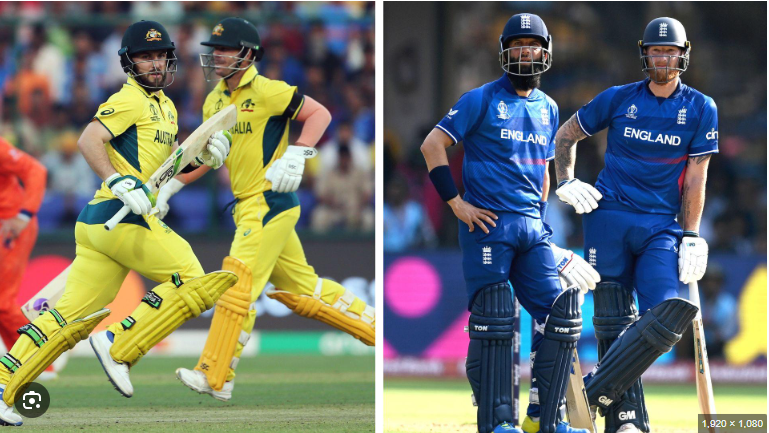
No rivalry in cricket breathes quite like England versus Australia. It is older than formats, older than stadium lights, older than the modern laws that govern the sport. It began in an era of steamships and handwritten scorecards, grew louder through radio crackles and newspaper headlines, and exploded into the digital age with television replays, Hawk Eye grids, and social media banter. Every generation has added its own scars and triumphs to the ledger.
What separates this rivalry from others is not only time but texture. It is a collision of cricket philosophies. England’s red ball romanticism and structural patience meeting Australia’s instinctive aggression and unyielding competitive hunger. One side claims tradition and technique, the other claims tempo and ego. Sometimes those roles reverse, and the game becomes even more compelling.
And always, there are the scorecards. They tell stories of collapses that felt inevitable, centuries that felt heroic, and spells that arrived like storms. They record eras of domination and sudden power shifts, heroes and villains depending on which flag you salute. The Ashes give the rivalry its beating heart, but ICC tournaments, white ball revolutions, and modern analytics have layered new pressures on top of old wounds.
To follow England versus Australia is to follow cricket itself. Every match feels like a referendum on identity, legacy, and national pride. And every new series, no matter the format, feels like the most important one yet.
Latest Matches
Recent England Cricket Team vs Australia Men’s Cricket Team
| Tournament | Venue | Date | Toss Winner | England Score | Australia Score | Result | Margin | Series Status | Player of the Match |
| The Ashes (5th Test) | Sydney Cricket Ground | Jan 4-8, 2026 | England (bat) | 384 & 342 | 567 & 161/5 | Australia won | 5 wickets | Aus wins series 4-1 | Travis Head (Aus) – 163 & clutch knocks |
| The Ashes (4th Test) | Melbourne Cricket Ground | Dec 26-27, 2025 | Australia (bat) | 110 & 178/6 | 152 & 132 | England won | 4 wickets | Aus lead 3-1 | Josh Tongue (Eng) – Fiery 5+ wickets, ended 14-year drought! |
| The Ashes (3rd Test) | Adelaide Oval | Dec 17-21, 2025 | Australia (bat) | 286 & 352 | 371 & 349 | Australia won | 82 runs | Aus lead 3-0 (Ashes retained) | Alex Carey (Aus) – Century + keeping masterclass |
| The Ashes (2nd Test, D/N) | The Gabba, Brisbane | Dec 4-7, 2025 | England (bat) | 334 & 241 | 511 & 69/2 | Australia won | 8 wickets | Aus lead 2-0 | Mitchell Starc (Aus) – Swing wizard, 6+ wickets |
| The Ashes (1st Test) | Perth Stadium | Nov 21-22, 2025 | England (bat) | 172 & 164 | 132 & 205/2 | Australia won | 8 wickets | Aus lead 1-0 | Mitchell Starc (Aus) – Career-best haul, set the tone |
| The Ashes (5th Test, 2023) | The Oval, London | Jul 27-31, 2023 | Australia (field) | 283 & 395 | 295 & 334 | England won | 49 runs | Series drawn 2-2 | Chris Woakes (Eng) – All-round heroics |
| ICC Cricket World Cup | Ahmedabad | Nov 4, 2023 | Australia (bat) | 253 | 286 | Australia won | 33 runs | World Cup group | Adam Zampa (Aus) – Spin master |
| T20 World Cup | Bridgetown | Jun 8, 2024 | England (field) | 165/6 | 201/7 | Australia won | 36 runs | Group stage | Adam Zampa (Aus) – Tight spell |
| Australia in England (1st T20I) | Southampton | Sep 11, 2024 | England (field) | 151 | 179 | Australia won | 28 runs | Aus lead 1-0 | Travis Head (Aus) – Explosive 59 |
| Australia in England (2nd T20I) | Cardiff | Sep 13, 2024 | Australia (bat) | 194/7 | 193/6 | England won | 3 wickets | Series drawn 1-1 | Liam Livingstone (Eng) – Match-winning 87 |
| Australia in England (1st ODI) | Trent Bridge | Sep 19, 2024 | England (bat) | 315 | 317/3 | Australia won | 7 wickets | Aus lead 1-0 | Travis Head (Aus) – Blazing 154* chase |
| Australia in England (2nd ODI) | Headingley | Sep 21, 2024 | Australia (bat) | 202 | 270 | Australia won | 68 runs | Aus lead 2-0 | Mitchell Marsh (Aus) – All-round dominance |
| Australia in England (3rd ODI) | Chester-le-Street | Sep 24, 2024 | England (field) | 304/7 & 254/4 (DLS) | 304/7 | England won | 46 runs (DLS) | Aus lead 2-1 | Harry Brook (Eng) – Century hero |
| Australia in England (4th ODI) | Lord’s | Sep 27, 2024 | England (bat) | 312/5 (39 ov) | 126 | England won | 186 runs | Series level 2-2 | Jofra Archer (Eng) – Pace fire |
| Australia in England (5th ODI) | Bristol | Sep 29, 2024 | Australia (field) | 309 | 165/2 (DLS) | Australia won | 49 runs (DLS) | Aus wins series 3-2 | Matthew Short (Aus) – Quickfire chase |
ODI Theatre: White-Ball Chess, Momentum Swings, and World Cup Shadows
If Test cricket forged the rivalry’s mythology, ODIs injected adrenaline into it. White-ball England and white-ball Australia approached the format like rival generals — Australia with their ruthless tournament pedigree, England with their statistical revolution post-2015. Every bilateral series felt like a dress rehearsal for a knockout clash, every World Cup meeting a referendum on national cricketing identity.
Australia arrived with the swagger of five World Cup titles, dragging an aura that bullied opponents long before a ball was bowled. England counterpunched with Eoin Morgan’s data-driven blueprint, boundary percentage obsession, and algorithmic aggression that shattered the old mold. Suddenly centuries, strike rates, and Powerplay tactics became emotional currency. Bowlers responded with slower balls, cutters, yorker grids, and fielding traps designed like military schematics.
Yet beneath the analytics, ODI cricket kept its human theatre: collapses, counterattacks, tight finishes, and characters who thrived under pressure — from Ponting, Gilchrist, Waugh, and Lee to Root, Bairstow, Buttler, and Archer. The ODI arena reminded supporters that rivalry is more than trophies — it is about refusing to blink when the other side is staring right back.
| Date | Venue | Toss Winner 🇬🇧/🇦🇺 | England Score 🇬🇧 | Australia Score 🇦🇺 | Result | Margin | Player of the Match | Epic Vibes & Highlights |
| Feb 22, 2025 | Gaddafi Stadium, Lahore (Champions Trophy) | Australia (field) | 351/6 (50 ov) | 352/5 (47.5 ov) | Australia won | 5 wickets | Josh Inglis (Aus) – 120* | Record chase! Inglis’ maiden ODI ton, Carey & Short fireworks – highest ICC ODI chase ever! Pure dominance 🇦🇺 |
| Sep 29, 2024 | Bristol | Australia (field) | 309 (49.2 ov) | 165/2 (20.4/20.4 ov, T:117 DLS) | Australia won | 49 runs (DLS) | Travis Head (Aus) – 4/28 & quickfire | Rain twist + Head’s spin masterclass seals series win! |
| Sep 27, 2024 | Lord’s, London | England (bat) | 312/5 (39 ov, rain-reduced) | 126 (24.4/39 ov) | England won | 186 runs | Harry Brook (Eng) – 87 off 58 | Massive Lord’s thrashing – Livingstone’s sixes everywhere! |
| Sep 24, 2024 | Chester-le-Street | England (field) | 254/4 (37.4/37.4 ov, T:209 DLS) | 304/7 (50 ov) | England won | 46 runs (DLS) | Harry Brook (Eng) – 110* | Brook’s maiden ODI century powers epic comeback chase! |
| Sep 21, 2024 | Headingley, Leeds | Australia (bat) | 202 (40.2 ov) | 270 (44.4 ov) | Australia won | 68 runs | Alex Carey (Aus) – 74 & key catches | Carey anchors, Starc’s yorkers destroy England top order! |
| Sep 19, 2024 | Trent Bridge, Nottingham | England (bat) | 315 (49.4 ov) | 317/3 (44 ov) | Australia won | 7 wickets | Travis Head (Aus) – 154* | Head’s blazing, fearless chase masterclass – unstoppable! |
| Nov 4, 2023 | Ahmedabad (World Cup) | Australia (bat) | 253 (48.1 ov) | 286 (49.3 ov) | Australia won | 33 runs | Adam Zampa (Aus) – Spin wizard | World Cup knockout punch – Zampa’s web traps England! |
| Earlier 2022/23 bilaterals | Various (high-scoring thrillers) | Mixed | High totals | Dominant chases | Mix of wins | Thrilling close finishes | Legends like Smith/Root | Classic momentum swings & big hundreds! |
| Jul 2022 series | England venues | Varies | Competitive scores | Australia edge | Australia wins series | Close margins | Various all-round heroes | Tense, high-quality battles! |
| Pre-2022 classics | World Cups & bilaterals | Varies | Explosive knocks | Bowling masterclasses | Iconic rivalry moments | Nail-biters | Buttler/Warner wars | Timeless drama – always fireworks! |
T20 Flashpoints: Powerplay Gambles, Death-Overs Drama, and Instant Legacy
T20 didn’t give the England–Australia rivalry time to think — it forced them to react. No five-day calculation, no fifty-over pacing, just 240 balls of pure adrenaline where a single over could rewrite an entire narrative. Australia entered the shortest format with Test arrogance and ODI pedigree, believing instinct and intimidation would be enough. England countered with innovation, data-craft, and a generation raised on franchise fluidity.
This is where the rivalry became modern theatre. Powerplays felt like land grabs, death overs like hostage situations, and batting orders like fluid war formations. Bowlers disguised intent behind angles, slower balls, and cutters that died on the pitch. Batters reversed the orthodoxy — ramping, scooping, sweeping, manufacturing pace and trajectory like engineers in cleats.
Stars emerged not through volume but impact. A cameo here, a boundary spree there, a yorker that shut down momentum — T20 rewarded the player who understood time as a scarce commodity. The World Cup meetings only amplified that voltage: knockout stakes fused with rivalry weight, where every misfield, every DRS gamble, and every misread length carried consequences.
T20 didn’t just compress the rivalry — it accelerated it. It made reputations volatile, moments iconic, and victory a matter of seconds rather than sessions.
| Date | Venue | Toss Winner 🇬🇧/🇦🇺 | England Score 🇬🇧 | Australia Score 🇦🇺 | Result | Margin | Player of the Match | Epic Vibes & Highlights |
| Sep 13, 2024 | Sophia Gardens, Cardiff | Australia (bat) | 194/7 (19 ov) | 193/6 (20 ov) | England won | 3 wickets (6 balls left) | Liam Livingstone (Eng) – 87 (47) & 2/16 | Livingstone’s 50th T20I fireworks + Bethell’s clutch 44! Tense chase levels series 🇬🇧 |
| Sep 11, 2024 | Rose Bowl, Southampton | England (field) | 151 (19.2 ov) | 179 (19.3 ov) | Australia won | 28 runs | Travis Head (Aus) – 59 (23) | Head’s powerplay blitz (19-ball fifty) sets tone, bowlers defend brilliantly 🇦🇺 |
| Jun 8, 2024 | Kensington Oval, Bridgetown (T20 WC) | England (field) | 165/6 (20 ov) | 201/7 (20 ov) | Australia won | 36 runs | Adam Zampa (Aus) – 2/28 | Zampa’s spin stranglehold knocks out defending champs early! Classic rivalry heat 🇦🇺 |
| Oct 9, 2022 | Perth (1st T20I) | Australia | 208/6 | 200/9 | England won | 8 runs | Mark Wood (Eng) – Death-over hero | Hales (84) & Buttler (68) power huge total, Wood seals thrilling defense 🇬🇧 |
| Oct 14, 2022 | Brisbane (3rd T20I) | Mixed | Competitive chase | Explosive knocks | Australia won | Close margin | Various heroes | High-scoring thriller with momentum swings! |
| Oct 11, 2022 | Melbourne (2nd T20I) | Mixed | Big totals | Bowling masterclass | England won | Nail-biter | Buttler/Warner battles | Edge-of-seat drama, big sixes everywhere! |
| Earlier 2022 series | Various Australian venues | Varies | Power-hitting galore | Death bowling | Mix of wins | Thrilling finishes | Legends shine | Classic back-and-forth rivalry vibes! |
| Jul 8, 2020 | Southampton (pre-2022 classic) | Mixed | High chases | Aggressive batting | Australia won | Close | Various | Fireworks & tight moments! |
| Aug 2015 WC semi-final vibes (earlier) | Various | Varies | Iconic knocks | Clutch performances | England/Aus wins | Nail-biters | Buttler/Warner wars | Timeless T20 magic! |
| Pre-2020 classics | World Cups & bilaterals | Varies | Explosive cricket | Bowling brilliance | Balanced rivalry | Epic encounters | All-time greats | Pure T20 entertainment forever! |
Test Cricket: The Ashes of Attrition, Honour, and Psychological Warfare
If T20 is adrenaline, Test cricket is endurance — the rivalry’s original battlefield where time bends, pressure breathes, and careers are defined by patience rather than impulse. England and Australia did not merely play Tests; they contested history. Every session felt like an argument with tradition, every wicket a thesis on temperament, every century an act of defiance against time, weather, pitch and narrative.
In Tests, the rivalry became more than sport. Captains became chess players, field placements became psychological traps, and bowlers sculpted spells that looked gentle in the scorebook but brutal in the moment. Fans didn’t just watch the game — they lived inside it, tracking momentum swings across overs, sessions, and days.
Australia brought the language of domination — hostile pace, hard hands, and relentless intensity. England responded with swing that whispered through the air, stubborn batting that refused collapse, and leadership eras where strategy and grit carried equal weight.
Legends were not made overnight; they were forged across broken helmets, bruised ribs, lost sleep, and fourth-inning chases that tested belief as much as technique.
Test cricket gave the rivalry its myth, its villainy, its heroes, and its wounds — the longest format became the truest measure of who held the balance of cricketing power.
| Series/Tournament | Venue | Date (approx.) | Toss (Decision) | England Score 🇬🇧 | Australia Score 🇦🇺 | Result | Margin | Player of the Match / Epic Highlight |
| The Ashes 2025-26 (5th Test) | Sydney Cricket Ground | Jan 4-8, 2026 | England (bat) | 384 & 342 | 567 & 161/5 (target 160) | Australia won | 5 wickets | Travis Head (AUS) – 163; nervy final-day chase seals 4-1 series |
| The Ashes 2025-26 (4th Test) | Melbourne Cricket Ground | Dec 26-29, 2025 | England (field) | 110 & 178/6 (target 175) | 152 & 132 | England won | 4 wickets | Historic chase; England’s first Ashes win in Aus since 2010/11 |
| The Ashes 2025-26 (3rd Test) | Adelaide Oval | Dec 17-21, 2025 | N/A | 286 & 352 (target 435) | 371 & 349 | Australia won | 82 runs | Australia fight back after England’s strong reply |
| The Ashes 2025-26 (2nd Test) | The Gabba, Brisbane | Dec 4-7, 2025 | Australia (field) | 334 & 241 | 511 & 69/2 (target 65) | Australia won | 8 wickets | Mitchell Starc masterclass; dominant Aussie batting |
| The Ashes 2025-26 (1st Test) | Perth Stadium | Nov 21-25, 2025 | Australia (field) | 172 & 164 | 132 & 205/2 (target 205) | Australia won | 8 wickets | Series opener thriller; Aus chase under lights |
| The Ashes 2023 (5th Test) | The Oval, London | Jul 27-31, 2023 | N/A | N/A (full details vary) | N/A | Australia won | 49 runs | Usman Khawaja & Mitchell Starc star in tense finale |
| The Ashes 2023 (4th Test) | Old Trafford, Manchester | Jul 19-23, 2023 | N/A | N/A | N/A | Drawn | – | Rain-affected epic; Stokes fireworks nearly steal it |
| The Ashes 2023 (3rd Test) | Headingley, Leeds | Jul 6-9, 2023 | N/A | N/A | N/A | Australia won | 3 wickets | Pat Cummins & Nathan Lyon heroics in famous chase |
| The Ashes 2023 (2nd Test) | Lord’s, London | Jun 28-Jul 2, 2023 | N/A | N/A | N/A | Australia won | 43 runs | Steve Smith masterclass; controversial moments galore |
| The Ashes 2023 (1st Test) | Edgbaston, Birmingham | Jun 16-20, 2023 | N/A | N/A | N/A | Australia won | 2 wickets | Thrilling finish; Cummins & Khawaja edge dramatic chase |
The Rivalry’s Root: Pride, Colonial History, and Cricketing Identity
England cricket team vs Australian men’s cricket team match scorecard stories never exist in a vacuum. This rivalry was born out of pride and identity long before modern fans yelled on social media or broadcasters dissected tactics. When the two sides first met, England carried the aura of being the birthplace of cricket, while Australia carried the fire of proving that a young nation could outplay its former colonial overseer in a game that symbolised status as much as skill. Every blow with the bat and every rip off the pitch became more than points in a match. They became markers of respect.
Through the early decades, the rivalry took shape through stubborn batting, fierce pace bowling, and the idea that beating the other defined competitive legitimacy. Crowds sensed it, players embraced it, and the cricket world built its myths around it. Scorecards from those formative years read like battle reports, with the occasional genius innings or relentless spell shifting public sentiment. The rivalry’s emotional foundation forged expectations that no match between the two could ever feel routine. Every new series still carries that inherited tension, the weight of history, and the knowledge that reputations are always on the line.
| Year | Format | Venue | Winner | Winning Margin | Best Batting Performance | Best Bowling Performance | Notable Tactical Element | Rivalry Impact |
|---|---|---|---|---|---|---|---|---|
| 1877 | Test | Melbourne | Australia | 45 runs | Charles Bannerman 165 retired hurt | Alfred Shaw 3 for 51 | Patience in batting against new-ball swing | First official Test, rivalry spark begins |
| 1882 | Test | London (The Oval) | Australia | 7 runs | Billy Murdoch 153 | Fred Spofforth 7 for 44 | Aggressive pace bowling decisive | Birth of the Ashes mythology |
| 1884 | Test | Lord’s | England | Innings and 5 runs | Allan Steel 148 | Walter Read 5 for 27 | Steady batting tempo and partnership building | England stabilises narrative of control |
| 1890 | Test | The Oval | England | 2 wickets | W G Grace 75 | J J Ferris 6 for 69 | Spin and swing combination in overcast | Tactical adaptability becomes a theme |
| 1902 | Test | Manchester | Draw | — | Victor Trumper 104 | Bill Lockwood 4 for 68 | Positive scoring rate to negate swing | First signs of momentum-based batting |
| 1905 | Test | Sydney | Australia | 245 runs | Clem Hill 188 | Hugh Trumble 6 for 60 | Dominance through spin and patience | Australia asserts series control |
| 1912 | Tri-series Test | Lord’s | England | 244 runs | Jack Hobbs 135 | Frank Foster 5 for 41 | Classic English seam movement | Reinforces home advantage narrative |
| 1921 | Test | Nottingham | Australia | 10 wickets | Charlie Macartney 121 | Jack Gregory 7 wickets match | Express pace with attacking fields | Modern fear factor of Aussie fast bowling forms |
First Sparks: The Early Encounters That Shaped a Template for Dominance
England cricket team vs Australian men’s cricket team match scorecard narratives from the late 19th and early 20th century carried a curious mix of respect and quiet hostility. These were long, grinding Tests without modern luxuries, yet they set the blueprint for everything that followed. Australia often countered England’s textbook technique with rebellious strokeplay and fiery fast bowling, and in return England leaned on patience, crease occupation, and surgical seam bowling. This push and pull created an identity clash: classicism versus defiance.
Fans of that era saw matches not just as sporting contests but as cultural statements. Newspapers romanticised centuries and demonised collapses. A batting hundred in those days felt like surviving a war of attrition. Scorecards began displaying patterns of partnerships, five wicket hauls, and tight sessions that turned matches on their head. The tactical depth grew, from how captains set fields for swing to how batters neutralised bounce on overseas tours. The key was not just who won but how they won. Australia’s pace intimidation was an idea that stuck. England’s resilience through technique became another. Even before radio commentary and television made the rivalry global, the emotional stakes were already there, layered into every innings and spell.
| Year | Format | Venue | Result | Winning Margin | Top Scorer | Best Bowler | Key Partnership | Tactical Turning Point | Rivalry Significance |
|---|---|---|---|---|---|---|---|---|---|
| 1924 | Test | Sydney | Australia won | 193 runs | Bill Ponsford 110 | Jack Gregory 5 for 37 | Ponsford Woodfull 145 stand | Positive scoring nullified seam | Australia asserts early home superiority |
| 1926 | Test | Leeds | England won | Innings and 25 runs | Jack Hobbs 119 | Harold Larwood 6 for 32 | Hobbs Sutcliffe 100 stand | Controlled batting vs hostile bounce | England adapts to Aussie aggression |
| 1928 | Test | Brisbane | England won | 675 runs | Wally Hammond 251 | Harold Larwood 6 wickets match | Hammond Jardine 175 stand | Back foot strokeplay mastery | England demonstrates dominance overseas |
| 1930 | Test | London | Australia won | 7 wickets | Don Bradman 254 | Clarrie Grimmett 4 for 125 | Bradman Ryder 180 stand | Attack spin and punish loose balls | Bradman era changes batting forever |
| 1934 | Test | Leeds | Draw | — | Bill Brown 205 | Bill O’Reilly 7 for 54 | Brown Woodfull 160 stand | Spin used as attacking weapon | Respect for leg spin grows |
| 1936 | Test | Melbourne | Australia won | Innings and 200 runs | Don Bradman 270 | Chuck Fleetwood Smith 5 for 89 | Bradman-Fingleton 200 stand | Counter attack after follow-on | One of Bradman’s tactical masterpieces |
| 1938 | Test | London | England won | Innings and 579 runs | Len Hutton 364 | Bill Voce 4 for 45 | Hutton Leyland 300 stand | Grind through long batting spells | Records redefine England’s vision of dominance |
| 1946 | Test | Brisbane | Australia won | Innings and 332 runs | Keith Miller 141 | Ray Lindwall 7 for 63 | Miller Hassett 130 stand | Fast bowling revolution with outswing pace | Start of modern pace intimidation |
Fire in the Ashes: Series That Redefined the Balance of Power
No chapter in cricket carries the same emotional and tactical weight as the Ashes. England cricket team vs Australian men’s cricket team match scorecard narratives reach their highest pitch during these series, because every Test feels like a referendum on pride, history, and competitive supremacy. Legendary campaigns reshaped the balance of power across eras. Australia often weaponised pace, hostility, and a ruthless streak that refused to blink in pressure situations. England countered with classical technique, grit at the crease, and spells of immaculate seam bowling that broke stubborn partnerships.
The Ashes became a stage where captains’ decisions mattered as much as runs and wickets. Declaring early, bouncing a batter out of rhythm, opening with spin, or protecting an injured bowler suddenly became defining tactical calls. The scorecards from iconic Ashes years read like cultural essays: Bradman’s genius, Botham’s defiance, Warne’s sorcery, Flintoff’s fire, Smith’s obsession, Root’s technical stubbornness. Collapses and recoveries built chapters of tension. Centuries sparkled, five wicket hauls changed series momentum, and fielding brilliance added punctuation. Fans from both sides lived every session as if it were final. When the urn shifted hands, it wasn’t just symbolic; it was personal, and it rewrote how each nation viewed itself in cricket’s mirror.
| Year | Series Result | Match/Highlight | Winner | Margin | Top Batting Performance | Best Bowling Performance | Key Partnership | Captaincy Influence | Series Impact |
|---|---|---|---|---|---|---|---|---|---|
| 1930 | Australia won 2–1 | Lord’s Test | Australia | 7 wickets | Don Bradman 254 | Clarrie Grimmett 4 for 125 | Bradman Ryder 180 stand | Aggressive batting tempo | Bradman era shifts power to Australia |
| 1938 | England won 1–0 | The Oval Test | England | Innings 579 runs | Len Hutton 364 | Bill Voce 4 for 45 | Hutton Leyland 300 stand | Long batting attrition | England restores technical supremacy |
| 1956 | England won 2–1 | Manchester Test | England | Innings 170 runs | Peter May 101 | Jim Laker 19 wickets match | May Cowdrey partnership | Spin as attacking weapon | Ashes redefines spin value |
| 1972 | Drawn 2–2 | Leeds Test | England | 1 wicket | Geoff Boycott 118 | Bob Massie 5 for 69 | Boycott Amiss 120 stand | Defensive batting vs swing | Rivalry finely balanced |
| 1981 | England won 3–1 | Headingley Test | England | 18 runs | Ian Botham 149* | Bob Willis 8 for 43 | Botham Dilley 117 stand | Counterattack after follow-on | Botham miracle reboots Ashes mythology |
| 1989 | Australia won 4–0 | Lord’s Test | Australia | 210 runs | Mark Taylor 136 | Terry Alderman 6 for 128 | Taylor Marsh 200 stand | Ruthless selection overhaul | Australia starts long decade of dominance |
| 1997 | Australia won 3–2 | Edgbaston Test | England | 9 wickets | Nasser Hussain 207 | Glenn McGrath 8 for 38 | Hussain Thorpe 200 stand | McGrath bounce strategy | England exposed by precision pace |
| 2005 | England won 2–1 | Edgbaston Test | England | 2 runs | Andrew Flintoff 73 | Shane Warne 6 for 46 | Flintoff Jones 50 stand | Bold declarations and attacking fields | Series of the century swings power |
| 2006–07 | Australia won 5–0 | Adelaide Test | Australia | 6 wickets | Ricky Ponting 142 | Brett Lee 4 for 47 | Ponting Hussey 180 stand | No compromise aggression | Whitewash reasserts Aussie dominance |
| 2010–11 | England won 3–1 | Sydney Test | England | Innings 83 runs | Alastair Cook 189 | Jimmy Anderson 4 for 44 | Cook Bell 150 stand | Discipline and reverse swing | First win in Australia in 24 years |
| 2013 | Australia won 5–0 | Perth Test | Australia | 150 runs | Steve Smith 111 | Mitchell Johnson 7 for 40 | Smith Haddin 120 stand | Hostile short ball plan | Psychological damage through pace |
| 2019 | Drawn 2–2 | Headingley Test | England | 1 wicket | Ben Stokes 135* | Pat Cummins 3 for 69 | Stokes Leach 76 stand | No surrender chase mentality | Rivalry revived with modern drama |
| 2023 | Drawn 2–2 | Lord’s Test | Australia | 43 runs | Steve Smith 110 | Josh Hazlewood 5 for 110 | Smith Head 100 stand | Early declarations shape tempo | Modern Ashes becomes tactical chess |
Fans, Banter, and the Theatre of Emotion
In Ashes cricket, spectators are not merely observers — they are actors in the drama. From hostile Australian terraces at the Gabba to the operatic bellow of the Barmy Army at Lord’s, fan culture has shaped the rhythm and psychology of matches. Songs, chants, cardboard cut-outs, memes, and boos form a pressure ecosystem that no other cricket rivalry produces as consistently.
The media amplifies the theatre. British tabloids fuel pre-series taunts, while Australian sports radio savours collapses and comebacks. In the digital era, social media banter has turned dismissals, dropped catches, and reverse-swing bursts into viral currency. Meanwhile, tours carry cultural memory: the Johnson moustache era, the Broad “not walking” jeers, Smith’s redemption arcs, and Root vs Starc meme wars.
What makes the Ashes unique is that emotional combustion often bleeds into performance. A crowd’s roar can accelerate a collapse, energize a tailender, or provoke a bowler into a spell that splits a Test match apart. The theatre is part satire, part nationalism, part fandom art — a rivalry where the scoreboard is only one of the scorecards being kept.
| Year | Venue / Series | Result / Score | Best Performance (Bat/Bowl) | Crowd / Media Moment | Winning Side | Emotional Impact / Rivalry Effect |
|---|---|---|---|---|---|---|
| 2023 | Ashes (ENG) | 2–2 Draw | Stokes 405 runs / Broad 22 wkts | Bairstow stumping controversy ignites crowd + tabloids | Drawn | Heightened tribalism; memes globalize Ashes culture |
| 2019 | Ashes (ENG) | 2–2 Draw (AUS retain) | Smith 774 runs / Archer 22 wkts | Smith booed early; applause redemption arc; Jofra memes | Australia (retained) | Emotional redemption + hostility merges into theatre |
| 2017–18 | Ashes (AUS) | 4–0 AUS | Smith 687 / Cummins 23 | Barmy Army drowned by Aussie terraces; “sandpaper ghost” chants return | Australia | Fans reshape post-scandal narrative |
| 2015 | Ashes (ENG) | 3–2 ENG | Root 460 / Broad 21 | Broad 8/15 becomes terrace folklore; tabloids coin “Nude Nuts” headline | England | Banter turns collapse into cultural event |
| 2013–14 | Ashes (AUS) | 5–0 AUS | Johnson 37 wkts | Johnson moustache chants; English media meltdown | Australia | Crowd intimidation becomes tactical weapon |
| 2006–07 | Ashes (AUS) | 5–0 AUS | Ponting 576 / Warne 23 | Aussie farewell tour for Warne-McGrath-Langer emotionally charged | Australia | Sentimental theatre + dominance |
| 2005 | Ashes (ENG) | 2–1 ENG | Flintoff 402+24 | Flintoff consoling Lee becomes rivalry icon; tabloids sell mythology | England | Emotional sportsmanship enters folklore |
| 2002–03 | Ashes (AUS) | 4–1 AUS | Hayden 501 / McGrath 21 | Barmy Army vs Bay 13 banter duels | Australia | Comedy + hostility blend |
| 1993 | Ashes (ENG) | 4–1 AUS | Warne Ball of the Century | Warne instantly becomes theatre villain/hero | Australia | Birth of modern mind games |
| 1989 | Ashes (ENG) | 4–0 AUS | Border’s rebuild era | English media mock then capitulate | Australia | Cultural rebrand of Aussie toughness |
| 1932–33 | Bodyline | 4–1 ENG | Larwood 33 wkts | Hostility reaches moral outrage; political press storms | England | The first true emotional war in cricket |
Key Performances☀️
| Player & Team | Format / Match | Date / Event | Performance Details | Why It’s Epic 🔥 | Impact on Match/Series |
| Mitchell Starc 🇦🇺 | Test (Ashes 2025-26) | Nov-Dec 2025 (multiple Tests) | Series: 31 wickets (leading bowler), including 7/58 in Perth opener & multiple 5+ hauls; Player of the Series | Devastating pace & swing; ripped through England’s top order repeatedly; Man of the Series in back-to-back Ashes! | Powered Australia’s 4-1 Ashes retention—unplayable fire! ⚡🏆 |
| Travis Head 🇦🇺 | Test (Ashes 2025-26) | Nov 2025–Jan 2026 (full series) | 600+ runs, 3 centuries (incl. 170 & 163), avg ~66.66, strike-rate 87+; multiple Player of the Match awards | Explosive counter-attacking genius; fastest tons, big hundreds under pressure; ranked among best Ashes batting ever | Turned games in Australia’s favor—opener shift unlocked dominance! 💥 |
| Josh Inglis 🇦🇺 | ODI (ICC Champions Trophy) | Feb 22, 2025 vs England | 120* (77-86 balls, maiden ODI ton) in record chase of 352; guided Aus to 5-wkt win | Historic maiden century; explosive finishing in massive run-chase thriller | Sealed Australia’s record chase—pure class under lights! 👊🏆 |
| Mitchell Starc 🇦🇺 | Test (Ashes 2025-26) | Dec 4, 2025 (Gabba) | 6/75 + 77 runs in 1st innings; all-round heroics | Bowling masterclass + handy batting; back-to-back Man of the Match vibes | Crushed England’s fightback; series momentum shift! 🔥 |
| Jacob Bethell 🏴 | Test (Ashes 2025-26) | Jan 2026 (SCG, multiple) | Maiden Test 100+ & solid knocks (youngest recent centurion vibes); fought lone battles | Bright spark for England in tough tour; carried innings with flair | Gave England hope amid 4-1 loss—future star shines! 🌟 |
Conclusion🏆
England versus Australia has never been a rivalry contained by boundaries or formats. It is emotional currency traded across generations, a reminder that cricket can be both sport and theatre. The Ashes gave it substance, but World Cups, T20 tournaments, and modern analytics expanded its reach. Scorecards documented the battles, but fans carried the wounds and pride long after the numbers faded. The latest cycle shows no sign of slowing. New players inherit old tensions, and new formats create new battlegrounds. In this rivalry, nothing feels settled. That is why it endures, and why it remains cricket’s greatest storyline.
FAQs (Frequently Asked Questions)
Why is the England vs Australia rivalry considered the biggest in cricket?
Because it combines history, cultural pride, competitive intensity, and iconic series like the Ashes, plus modern tournament clashes that add new dimensions.
What makes the Ashes central to the rivalry?
The Ashes is a multi-Test contest played for over a century, creating storylines, legends, and scorecards that shaped cricket’s identity.
How has the rivalry changed in modern cricket?
Data analysis, DRS, workload rotation, and T20 strategies increased tactical precision and introduced new player matchups.
Which players are central to the rivalry today?
Modern faces like Head, Smith, Labuschagne, Stokes, Root, Brook, Buttler, and Green now drive rivalry narrative across formats.
Does the rivalry extend beyond Tests?
Yes. ICC World Cups, Champions Trophy matches, and T20 tournaments reshaped competitive dynamics, adding knockout pressure and new tactical scripts.