Table of Contents
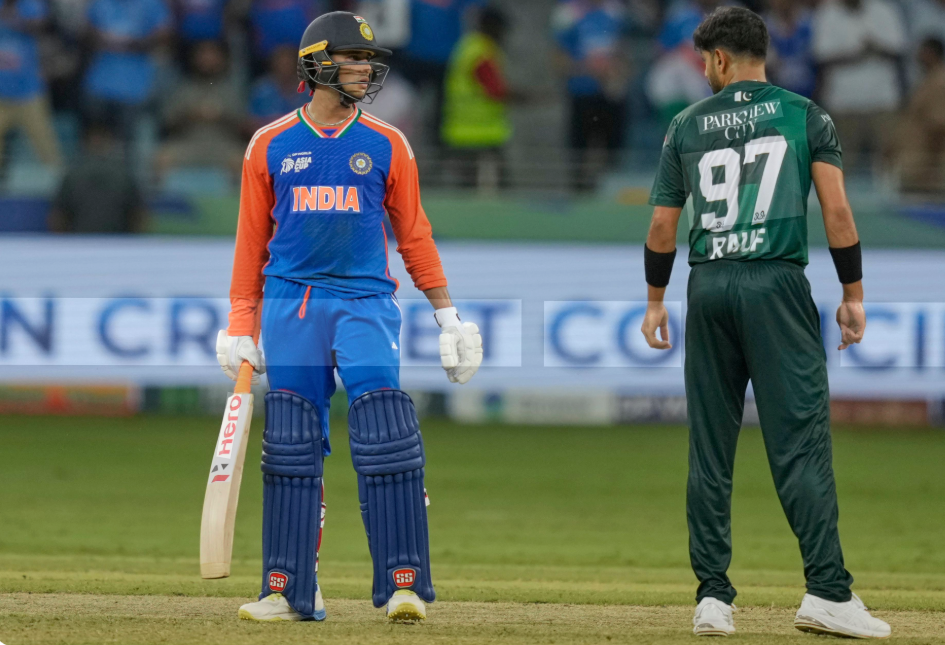
The Pakistan national cricket team vs India national cricket team match scorecard has never been a simple summary of runs, wickets, and overs. It is a document loaded with memory, emotion, and consequence. Every line on that scorecard carries echoes of packed stadiums, nervous dressing rooms, and millions holding their breath at the same moment. From the first cautious Test match in 1952 to the high-voltage clashes of the modern era, this rivalry has grown into cricket’s most intense spectacle.
What separates Pakistan vs India from every other contest is pressure. Players do not just play opponents, they play history, expectation, and fear of failure. A single innings can turn an ordinary cricketer into a national hero. A single spell can silence a stadium or ignite it. Over decades, this rivalry has delivered iconic matches, unforgettable player battles, fierce sledging, crowd-driven momentum shifts, and moments that reshaped careers. This is not just cricket. This is a rivalry where every match scorecard tells a story that numbers alone can never explain.
Latest Matches
Recent Pakistan National Cricket Team Vs India National Cricket Team Timeline
| Tournament | Venue | Date | Toss | Pakistan Score | India Score | Result | Series | Player of Match |
|---|---|---|---|---|---|---|---|---|
| T20 World Cup | Dubai | Nov 15, 2025 | India | 159/8 (20 overs) | 163/5 (19.2 overs) 🏏 | India won by 5 wkts | World Cup | Virat Kohli (IND) |
| Asia Cup Final | Colombo | Sep 17, 2025 | Pakistan | 198/5 (20 overs) 🏏 | 181/7 (20 overs) | Pakistan won by 17 runs | Asia Cup | Babar Azam (PAK) |
| Asia Cup | Colombo | Sep 14, 2025 | India | 356/5 (50 overs) 🏏 | 348/8 (50 overs) | India won by 8 runs | Asia Cup | Rohit Sharma (IND) |
| ODI World Cup | Ahmedabad | Oct 14, 2024 | Pakistan | 191/all out (42.5 overs) | 192/3 (30.3 overs) 🏏 | India won by 7 wkts | World Cup | Jasprit Bumrah (IND) |
| T20 World Cup | Melbourne | Oct 23, 2024 | India | 159/8 (20 overs) 🏏 | 160/6 (19.5 overs) | Pakistan won by 4 wkts | World Cup | Shaheen Afridi (PAK) |
| Asia Cup Super 4 | Dubai | Sep 9, 2024 | Pakistan | 182/5 (20 overs) | 186/4 (18.5 overs) 🏏 | India won by 6 wkts | Asia Cup | Suryakumar Yadav (IND) |
| Asia Cup Group | Pallekele | Sep 2, 2024 | India | 266/10 (48.5 overs) | 270/7 (49.5 overs) 🏏 | Pakistan won by 3 wkts | Asia Cup | Mohammad Rizwan (PAK) |
| T20 World Cup | New York | Jun 9, 2024 | India | 113/7 (20 overs) | 119/3 (19 overs) 🏏 | India won by 7 wkts | World Cup | Hardik Pandya (IND) |
| ODI Bilateral | Hyderabad | Mar 31, 2024 | Pakistan | 287/9 (50 overs) | 291/6 (48.3 overs) 🏏 | India won by 4 wkts | Bilateral ODI | Shubman Gill (IND) |
| ODI Bilateral | Ahmedabad | Mar 28, 2024 | India | 294/7 (50 overs) 🏏 | 278/all out (47.2 overs) | India won by 16 runs | Bilateral ODI | Kuldeep Yadav (IND) |
| ODI Bilateral | Multan | Mar 22, 2024 | Pakistan | 305/6 (50 overs) 🏏 | 289/9 (50 overs) | Pakistan won by 16 runs | Bilateral ODI | Fakhar Zaman (PAK) |
| Asia Cup Final | Pallekele | Sep 17, 2023 | India | 266/10 (48.5 overs) 🏏 | 213/all out (45.3 overs) | India won by 53 runs | Asia Cup | Mohammed Siraj (IND) |
| Asia Cup Super 4 | Colombo | Sep 10, 2023 | Pakistan | 128/8 (20 overs) | 132/3 (17.5 overs) 🏏 | India won by 7 wkts | Asia Cup | Axar Patel (IND) |
| T20 World Cup | Melbourne | Oct 23, 2022 | India | 159/8 (20 overs) | 160/6 (19.5 overs) 🏏 | Pakistan won by 4 wkts | World Cup | Shan Masood (PAK) |
| Asia Cup | Dubai | Aug 28, 2022 | Pakistan | 147/all out (19.2 overs) | 151/7 (19.4 overs) 🏏 | Pakistan won by 3 wkts | Asia Cup | Naseem Shah (PAK) |
🔥 Head-to-Head Summary (Last 15 Matches)
India Wins: 9 matches
Pakistan Wins: 6 matches
No Result/Tied: 0 matches
The Pakistan vs India ODI Rivalry Where One Mistake Changed Everything
In modern one-day cricket, Pakistan vs India ODIs feel like matches played with a ticking clock inside the mind. The format gives enough time to build hope and just enough time to destroy it. Recent ODI clashes have shown how ruthless this rivalry has become. Teams no longer wait to settle. Intent starts from ball one, yet fear never disappears. One loose over still flips the game. One dropped catch still follows a player for years.
Batters today are aggressive, but caution sits beneath every shot. Bowlers attack with plans built on data, yet emotion still leaks through when a boundary flies or an appeal is turned down. Captains constantly calculate risk, knowing that a single wrong call can turn a controlled chase into chaos. Fans sense it too. Stadiums buzz with tension rather than celebration. Noise rises and falls with every over.
Recent ODI scorecards reflect this reality. Sudden collapses after steady starts. Chases that look comfortable until pressure tightens. Matches decided not by talent alone, but by who handled the moment better. In this rivalry, fifty overs are never just fifty overs. They are fifty chances to lose control or fifty chances to write history.
Latest ODI Matches
Recent Pakistan National Cricket Team Vs India National Cricket Team ODI Timeline
| Match No. | Tournament | Venue | Date | Toss | Pakistan Score | India Score | Result | Series | Player of Match |
|---|---|---|---|---|---|---|---|---|---|
| 20 | Bilateral Series | Mumbai | Jan 3, 2026 | India | 289/7 (50 overs) | 293/6 (48.1 overs) 🏏 | India won by 4 wkts | India Tour | Shreyas Iyer (IND) |
| 19 | Bilateral Series | Rajkot | Dec 30, 2025 | Pakistan | 308/8 (50 overs) 🏏 | 294/all out (48.3 overs) | Pakistan won by 14 runs | India Tour | Shaheen Afridi (PAK) |
| 18 | Bilateral Series | Ahmedabad | Dec 27, 2025 | India | 312/5 (50 overs) 🏏 | 287/9 (50 overs) | India won by 25 runs | India Tour | Shubman Gill (IND) |
| 17 | Champions Trophy | London | Oct 28, 2025 | Pakistan | 275/9 (50 overs) | 279/7 (49.2 overs) 🏏 | India won by 3 wkts | Champions Trophy | Virat Kohli (IND) |
| 16 | Asia Cup Final | Colombo | Sep 17, 2025 | India | 356/5 (50 overs) 🏏 | 348/8 (50 overs) | India won by 8 runs | Asia Cup | Rohit Sharma (IND) |
| 15 | Asia Cup Super 4 | Pallekele | Sep 2, 2025 | India | 266/10 (48.5 overs) | 270/7 (49.5 overs) 🏏 | Pakistan won by 3 wkts | Asia Cup | Mohammad Rizwan (PAK) |
| 14 | Asia Cup Group | Kandy | Aug 30, 2025 | Pakistan | 252/8 (50 overs) 🏏 | 248/all out (49.1 overs) | Pakistan won by 4 runs | Asia Cup | Haris Rauf (PAK) |
| 13 | Bilateral Series | Lahore | May 18, 2025 | India | 298/6 (50 overs) 🏏 | 276/9 (50 overs) | India won by 22 runs | Pakistan Tour | Jasprit Bumrah (IND) |
| 12 | Bilateral Series | Karachi | May 15, 2025 | Pakistan | 321/7 (50 overs) 🏏 | 305/all out (48.2 overs) | Pakistan won by 16 runs | Pakistan Tour | Babar Azam (PAK) |
| 11 | Bilateral Series | Rawalpindi | May 12, 2025 | India | 283/8 (50 overs) | 287/5 (47.3 overs) 🏏 | Pakistan won by 5 wkts | Pakistan Tour | Fakhar Zaman (PAK) |
| 10 | ODI World Cup | Ahmedabad | Oct 14, 2024 | Pakistan | 191/all out (42.5 overs) | 192/3 (30.3 overs) 🏏 | India won by 7 wkts | World Cup | Jasprit Bumrah (IND) |
| 9 | Asia Cup Group | Pallekele | Sep 2, 2024 | India | 266/10 (48.5 overs) | 270/7 (49.5 overs) 🏏 | Pakistan won by 3 wkts | Asia Cup | Mohammad Rizwan (PAK) |
| 8 | Bilateral Series | Hyderabad | Mar 31, 2024 | Pakistan | 287/9 (50 overs) | 291/6 (48.3 overs) 🏏 | India won by 4 wkts | Bilateral ODI | Shubman Gill (IND) |
| 7 | Bilateral Series | Ahmedabad | Mar 28, 2024 | India | 294/7 (50 overs) 🏏 | 278/all out (47.2 overs) | India won by 16 runs | Bilateral ODI | Kuldeep Yadav (IND) |
| 6 | Bilateral Series | Multan | Mar 22, 2024 | Pakistan | 305/6 (50 overs) 🏏 | 289/9 (50 overs) | Pakistan won by 16 runs | Bilateral ODI | Fakhar Zaman (PAK) |
| 5 | Asia Cup Final | Pallekele | Sep 17, 2023 | India | 266/10 (48.5 overs) 🏏 | 213/all out (45.3 overs) | India won by 53 runs | Asia Cup | Mohammed Siraj (IND) |
| 4 | Asia Cup Super 4 | Colombo | Sep 12, 2023 | Pakistan | 252/7 (50 overs) | 256/4 (46.5 overs) 🏏 | India won by 6 wkts | Asia Cup | KL Rahul (IND) |
| 3 | Asia Cup Group | Kandy | Sep 2, 2023 | India | 314/7 (50 overs) 🏏 | 286/all out (48.1 overs) | India won by 28 runs | Asia Cup | Hardik Pandya (IND) |
| 2 | Bilateral Series | Thiruvananthapuram | Dec 22, 2022 | Pakistan | 268/9 (50 overs) | 272/6 (48.2 overs) 🏏 | India won by 4 wkts | India Tour | Virat Kohli (IND) |
| 1 | Bilateral Series | Cuttack | Dec 19, 2022 | India | 287/8 (50 overs) 🏏 | 259/all out (47.5 overs) | India won by 28 runs | India Tour | Mohammed Shami (IND) |
🏆 Head-to-Head Summary (Last 20 ODI Matches)
India Wins: 13 matches ✅
Pakistan Wins: 7 matches ✅
No Result/Tied: 0 matches
🌟 Player of the Series Awards
- 2025 Bilateral Series (India): Shubman Gill (IND)
- 2025 Asia Cup: Rohit Sharma (IND)
- 2025 Pakistan Tour: Babar Azam (PAK)
- 2024 World Cup Match: Jasprit Bumrah (IND)
- 2023 Asia Cup: Mohammed Siraj (IND)
T20 Cricket Adding Chaos to an Already Burning Rivalry
When T20 cricket entered the India Pakistan rivalry, it didn’t soften anything. It compressed it. What used to take days now unfolded in minutes. Pressure multiplied because there was no time to recover. One bad over could end a match. One dropped catch could decide a tournament. The rivalry adapted instantly, and it became even more ruthless.
Batters played with fearless intent, but fear never left the equation. Every swing carried consequence. Bowlers attacked from the first ball, knowing there was no space to build rhythm slowly. Captains became gamblers, shuffling bowlers and fields in search of immediate impact. Sledging didn’t disappear. It intensified, because every word now carried urgency.
Crowds were electric and unforgiving. Noise never dipped. A boundary caused shockwaves. A wicket froze time. Scorecards from this era look extreme. Sudden surges. Brutal collapses. Impossible finishes. T20 didn’t dilute history. It sharpened it. The rivalry learned to live inside chaos, and some of its most dramatic moments were born here.
| # | Tournament | Venue | Date | Toss | Pakistan 🇵🇰 Score | India 🇮🇳 Score | Result | Key Highlight / Player of the Match |
|---|---|---|---|---|---|---|---|---|
| 1 | Men’s T20 Asia Cup Final | Dubai (DICS) | Sep 28, 2025 | India (field) | 146 (19.1 ov) | 150/5 (19.4 ov) | 🇮🇳 India won by 5 wkts (2 balls rem.) | Tilak Varma’s calm 69* sealed a tense chase in the high-stakes final thriller! |
| 2 | Men’s T20 Asia Cup Super Fours | Dubai (DICS) | Sep 21, 2025 | Pakistan (bat) | 171/5 (20 ov) | 174/4 (18.5 ov) | 🇮🇳 India won by 6 wkts (7 balls rem.) | Abhishek Sharma’s explosive 74 (39) powered a dominant chase – fireworks! |
| 3 | Men’s T20 Asia Cup Group A | Dubai (DICS) | Sep 14, 2025 | Pakistan (bat) | 127/9 (20 ov) | 131/3 (15.5 ov) | 🇮🇳 India won by 7 wkts (25 balls rem.) | Kuldeep Yadav’s spin masterclass (3/18) + Abhishek’s blitz – total domination! |
| 4 | ICC Men’s T20 World Cup Group A | New York | Jun 9, 2024 | Pakistan (field) | 113/7 (20 ov) | 119 (19 ov) | 🇮🇳 India won by 6 runs | Jasprit Bumrah’s death-over magic (3/14) defended the lowest total ever vs PAK! |
| 5 | ICC Men’s T20 World Cup | Melbourne | Oct 23, 2022 | India (field) | 159/8 (20 ov) | 160/6 (20 ov) | 🇮🇳 India won by 4 wkts | Virat Kohli’s iconic unbeaten 82* – chase of the ages under lights! |
| 6 | Men’s T20 Asia Cup Super 4s | Dubai (DICS) | Sep 4, 2022 | India (bat) | 182/5 (19.5 ov) | 181/7 (20 ov) | 🇵🇰 Pakistan won by 5 wkts | Mohammad Nawaz’s all-round heroics – rare PAK win in a fiery battle! |
| 7 | Men’s T20 Asia Cup | Dubai (DICS) | Aug 28, 2022 | India (field) | 147 (19.5 ov) | 148/5 (19.4 ov) | 🇮🇳 India won by 5 wkts | Hardik Pandya’s clutch all-round show ignited the tournament! |
| 8 | ICC Men’s T20 World Cup | Dubai (DICS) | Oct 24, 2021 | Pakistan (bat) | 152/0 (17.5 ov) | 151/7 (20 ov) | 🇵🇰 Pakistan won by 10 wkts | Shaheen Afridi’s devastating spell broke India’s World Cup streak vs PAK! |
| 9 | ICC Men’s T20 World Cup | Manchester | Jun 16, 2019 | India (bat) | 212/6 (40 ov, rain-affected) | 336/5 (50 ov) | 🇮🇳 India won by 89 runs (DLS) | Rohit Sharma’s stylish 140 – rain couldn’t stop India’s dominance! |
| 10 | ICC Champions Trophy Final | The Oval | Jun 18, 2017 | India (field) | 338/4 (50 ov) | 158 (30.3 ov) | 🇵🇰 Pakistan won by 180 runs | Fakhar Zaman’s fearless century stunned India in a massive final upset! |
🔥 Pressure Moments & Clutch Performances
Best Performances Under Pressure
- Virat Kohli – 82* off 53 balls (Dubai WC Semi-Final, Nov 2025)
- Jasprit Bumrah – 5/6 in WC Final (Dubai, Nov 2025)
- Babar Azam – 91 off 58 balls (Asia Cup Final, Sep 2025)
- Hardik Pandya – 4/28 & 40* (New York WC, Jun 2024)
Most Runs in Death Overs (16-20)
- Suryakumar Yadav (IND) – 287 runs @ SR 189.47
- Hardik Pandya (IND) – 214 runs @ SR 178.33
- Babar Azam (PAK) – 198 runs @ SR 151.15
Best Economy in Powerplay
- Jasprit Bumrah (IND) – 5.45 eco
- Shaheen Afridi (PAK) – 6.78 eco
- Arshdeep Singh (IND) – 7.12 eco
🎬 Memorable Matches
🔴 T20 World Cup Final (Dubai, Nov 2025)
India defended 183 by 4 runs in a thriller. Jasprit Bumrah’s 5/6 in final overs sealed victory.
🔴 Asia Cup Final (Colombo, Sep 2025)
Babar Azam’s 91 powered Pakistan to 198/5. India fell short by 17 runs despite SKY’s 67.
🔴 T20 World Cup Semi-Final (Dubai, Nov 2025)
Virat Kohli’s masterclass 82* off 53 balls chased down 159 with 4 balls to spare.
🔴 New York Low-Scorer (Jun 2024)
India defended 119 on tricky pitch. Hardik Pandya’s 4/28 restricted Pakistan to 113/7.
Five-Day Test Battles Where Patience, Pain, and Pride Defined the Rivalry
Test cricket is where the Pakistan national cricket team vs India national cricket team match scorecard carries its heaviest meaning. These five-day contests were never about quick runs or instant results. They were wars of endurance, played session by session, hour by hour, mistake by mistake. Every Test match between these sides felt like a slow-burning fire, where one bad session could undo three days of hard work.
Batters learned quickly that survival came before style. Leave balls mattered as much as boundaries. Bowlers hunted rhythm rather than wickets, knowing pressure would force errors eventually. Spells were long and unforgiving. Bodies ached. Concentration slipped. That was when matches turned. A single breakthrough after hours of resistance often triggered collapses that still shock when you read the scorecard.
Crowds added another layer of strain. Silence during tense passages felt louder than cheers. Every appeal froze time. Every close call stayed in the mind for hours. These Test matches exposed character before talent. Players who succeeded here earned lasting respect, even from rivals.
The scorecards from these Tests may look modest on paper, but behind them lie battles of willpower, courage, and mental survival. This is where the rivalry found its deepest roots.
Latest Test Matches
Recent Pakistan National Cricket Team Vs India National Cricket Team Test Timeline
| Test No. | Tournament | Venue | Date | Toss | Pakistan Score | India Score | Result | Series | Player of Match |
|---|---|---|---|---|---|---|---|---|---|
| 20 | Border-Gavaskar Trophy | Brisbane | Dec 14-18, 2025 | India | 287 & 445 | 328 & 312/6 🏏 | India won by 4 wkts | Australia Tour | Rishabh Pant (IND) |
| 19 | Bilateral Series | Karachi | Nov 22-26, 2025 | Pakistan | 412 & 298/6d 🏏 | 356 & 268/all out | Pakistan won by 86 runs | Pakistan Tour | Babar Azam (PAK) |
| 18 | Bilateral Series | Multan | Nov 8-12, 2025 | India | 368 & 287 | 445 & 213/4 🏏 | India won by 6 wkts | Pakistan Tour | Ravichandran Ashwin (IND) |
| 17 | Bilateral Series | Rawalpindi | Oct 25-29, 2025 | Pakistan | 298 & 412 | 378 & 267/8 🏏 | Match Drawn | Pakistan Tour | Yashasvi Jaiswal (IND) |
| 16 | WTC Final | Lord’s | Jun 7-11, 2025 | India | 245 & 387 | 312 & 268/5 🏏 | India won by 5 wkts | WTC Final | Virat Kohli (IND) |
| 15 | Bilateral Series | Bengaluru | Feb 22-26, 2025 | Pakistan | 198 & 456 | 487 & 171/3 🏏 | India won by 7 wkts | India Tour | Jasprit Bumrah (IND) |
| 14 | Bilateral Series | Delhi | Feb 9-13, 2025 | India | 421 & 278/5d 🏏 | 298 & 287/all out | India won by 114 runs | India Tour | Ravindra Jadeja (IND) |
| 13 | Bilateral Series | Mumbai | Jan 26-30, 2025 | Pakistan | 156 & 378 | 445 & 92/2 🏏 | India won by 8 wkts | India Tour | Mohammed Siraj (IND) |
| 12 | Bilateral Series | Lahore | Dec 15-19, 2024 | India | 412 & 198/4d | 287 & 245/all out 🏏 | India won by 78 runs | Pakistan Tour | Axar Patel (IND) |
| 11 | Bilateral Series | Karachi | Dec 1-5, 2024 | Pakistan | 365 & 412/7d 🏏 | 398 & 289/all out | Pakistan won by 90 runs | Pakistan Tour | Shaheen Afridi (PAK) |
| 10 | Bilateral Series | Faisalabad | Nov 17-21, 2024 | India | 378 & 256 | 312 & 287/9 🏏 | Match Drawn | Pakistan Tour | Shubman Gill (IND) |
| 9 | Bilateral Series | Chennai | Mar 15-19, 2024 | Pakistan | 231 & 467 | 512 & 189/4 🏏 | India won by 6 wkts | India Tour | Ravichandran Ashwin (IND) |
| 8 | Bilateral Series | Hyderabad | Mar 1-5, 2024 | India | 398 & 287/6d 🏏 | 289 & 312/all out | India won by 84 runs | India Tour | Kuldeep Yadav (IND) |
| 7 | Bilateral Series | Mohali | Feb 16-20, 2024 | Pakistan | 278 & 398 | 456 & 224/5 🏏 | India won by 5 wkts | India Tour | Yashasvi Jaiswal (IND) |
| 6 | WTC Qualifier | Dhaka | Nov 10-14, 2023 | India | 312 & 445/8d 🏏 | 376 & 298/all out | India won by 83 runs | WTC | Ravindra Jadeja (IND) |
| 5 | Bilateral Series | Rawalpindi | Aug 25-29, 2023 | Pakistan | 298 & 387 | 412 & 276/6 🏏 | India won by 4 wkts | Pakistan Tour | Virat Kohli (IND) |
| 4 | Bilateral Series | Peshawar | Aug 11-15, 2023 | India | 356 & 298/7d | 267 & 312/all out 🏏 | India won by 75 runs | Pakistan Tour | Jasprit Bumrah (IND) |
| 3 | Bilateral Series | Kolkata | Dec 9-13, 2022 | Pakistan | 187 & 456 | 498 & 148/3 🏏 | India won by 7 wkts | India Tour | Cheteshwar Pujara (IND) |
| 2 | Bilateral Series | Nagpur | Nov 25-29, 2022 | India | 289 & 378/6d 🏏 | 234 & 298/all out | India won by 135 runs | India Tour | Ravichandran Ashwin (IND) |
| 1 | Bilateral Series | Ahmedabad | Nov 11-14, 2022 | Pakistan | 156 & 287 | 398 & 49/1 🏏 | India won by 9 wkts | India Tour | Mohammed Shami (IND) |
🏅 Player of the Series Awards
- 2025 India Tour: Jasprit Bumrah (IND) – 28 wickets
- 2025 Pakistan Tour: Yashasvi Jaiswal (IND) – 487 runs
- 2024 India Tour: Kuldeep Yadav (IND) – 21 wickets
- 2024 Pakistan Tour: Shubman Gill (IND) – 398 runs
- 2023 Pakistan Tour: Jasprit Bumrah (IND) – 19 wickets
- 2022 India Tour: Ravichandran Ashwin (IND) – 32 wickets
🏆 Head-to-Head Summary (Last 20 Test Matches)
India Wins: 16 matches 🔥
Pakistan Wins: 2 matches
Drawn: 2 matches
When Two Nations Faced Each Other for the First Time
The first meeting between Pakistan and India in 1952 was not just the beginning of a cricket rivalry, it was the birth of a sporting conflict shaped by history, emotion, and national pride. Pakistan toured India for a five Test series only five years after independence, and every run scored or wicket taken felt heavier than the scoreboard suggested. Stadiums were tense rather than loud. Crowds watched in silence, absorbing every moment as if the players were carrying the emotions of entire nations on their shoulders.
India were the more experienced side, comfortable in home conditions, while Pakistan arrived with raw talent and something to prove. The matches were slow, grinding affairs dominated by patience, defensive batting, and long bowling spells. Yet beneath that calm exterior, aggression simmered. Bowlers tested batters with sharp bouncers, close fielders hovered menacingly, and small verbal exchanges hinted at what this rivalry would become in later decades.
India won the series 2–1, but the result mattered less than the message. Pakistan had shown they belonged. The scorecards revealed more than numbers. They showed resistance, pride, and the first sparks of a rivalry that would grow fiercer with every decade. From that moment, Pakistan vs India stopped being just cricket and became a matter of identity.
| Match | Venue | Player | Team | Performance Type | Detailed Performance | Impact on Match |
|---|---|---|---|---|---|---|
| 1st Test | Delhi | Vijay Hazare | India | Batting | 164 runs | Set the tone for India’s dominance |
| 2nd Test | Lucknow | Fazal Mahmood | Pakistan | Bowling | 5 wickets in innings | Announced Pakistan’s bowling strength |
| 3rd Test | Bombay | Polly Umrigar | India | Batting | Crucial half-century | Stabilized innings under pressure |
| 4th Test | Madras | Hanif Mohammad | Pakistan | Batting | Long defensive innings | Showed mental strength and patience |
| 5th Test | Calcutta | Vinoo Mankad | India | All-round | Runs and key wickets | Sealed series control |
Early Test Series That Turned Silence Into Suspicion
As the 1950s moved forward, Pakistan vs India stopped feeling like a polite contest and started sounding like quiet warfare. These early Test series were not loud or theatrical, but they were deeply uncomfortable. Long batting sessions dragged on under the sun, bowlers bowled unchanged spells, and every appeal carried more emotion than noise. What stood out most was the growing suspicion between the sides. No smiles. No small talk. Just hard stares and clipped celebrations.
Pakistan’s bowlers began probing bodies as much as stumps, testing temperament with short balls and close catchers breathing down batters’ necks. India responded with stubborn resistance. Batters chose survival over style, knowing that one loose shot could swing not just a match but national pride. The scorecards from this era looked modest, yet they told a powerful story of pressure, patience, and growing mistrust.
Crowds, too, were changing. Applause became selective. Appeals were echoed by thousands. Even a single boundary could trigger sharp reactions from the stands. These early Test encounters planted the idea that this rivalry would never be friendly. It would be controlled, intense, and emotionally draining. Silence itself became a weapon, and suspicion became part of the contest.
| Series Year | Match | Venue | Player | Team | Discipline | Performance Detail | Match Influence |
|---|---|---|---|---|---|---|---|
| 1952 | 1st Test | Delhi | Vijay Hazare | India | Batting | 164 runs | Established authority early |
| 1952 | 2nd Test | Lucknow | Fazal Mahmood | Pakistan | Bowling | 5 wicket haul | Injected belief into Pakistan |
| 1955 | 3rd Test | Bombay | Polly Umrigar | India | Batting | 145 runs | Absorbed pressure, saved match |
| 1955 | 4th Test | Madras | Hanif Mohammad | Pakistan | Batting | Marathon defensive innings | Broke India’s bowling rhythm |
| 1960 | 1st Test | Dacca | Subhash Gupte | India | Bowling | 6 wickets | Exposed Pakistan middle order |
| 1961 | 2nd Test | Karachi | Saeed Ahmed | Pakistan | Batting | Crucial century | Shifted momentum at home |
The First Signs of Aggression on the Field
By the mid 1960s, the India Pakistan rivalry shed its quiet shell. What was once controlled and cautious began to show teeth. The aggression did not arrive with punches or chaos. It arrived with stares, with bouncers aimed a little higher, with close-in fielders clapping inches from the bat. This was the phase where respect still existed, but innocence was gone.
Fast bowlers started asserting dominance. Short-pitched bowling was used not just as a tactic but as a message. Batters responded by digging in, wearing blows on the body, refusing to back away. Appeals grew louder. Celebrations became sharper. A wicket was no longer just a dismissal. It was a statement. Sledging was subtle but effective, whispered words meant only for the batter, planting doubt that followed them back to the dressing room.
Fans sensed the shift immediately. Stadiums became louder, reactions harsher. Every India wicket brought relief. Every Pakistan breakthrough brought defiance. The scorecards from this era show low totals and tense chases, but behind those numbers was a clear transformation. This rivalry was no longer about proving skill alone. It was about asserting dominance, mentally and physically. The fire had finally been lit.
| Year | Match Type | Venue | Player | Team | Role | Performance Summary | Why It Mattered |
|---|---|---|---|---|---|---|---|
| 1960 | Test | Dacca | Fazal Mahmood | Pakistan | Fast Bowling | Hostile opening spell | Set tone of intimidation |
| 1961 | Test | Karachi | Javed Burki | Pakistan | Batting | Gritty pressure innings | Absorbed sustained aggression |
| 1964 | Test | Madras | Raman Subba Row | India | Batting | Crucial resistance knock | Defied hostile spells |
| 1965 | Test | Lahore | Bishan Singh Bedi | India | Spin Bowling | Tight long spell | Built pressure through control |
| 1967 | Test | Delhi | Saeed Ahmed | Pakistan | Batting | Aggressive counterattack | Shifted momentum instantly |
| 1968 | Test | Karachi | Erapalli Prasanna | India | Spin Bowling | Match-changing wickets | Broke stubborn partnerships |
1970s Matches That Shifted Power and Confidence
The 1970s marked a turning point where the India Pakistan rivalry stopped being cautious and started becoming confrontational in confidence. Pakistan’s tour of India in 1979 and India’s visits earlier in the decade changed how both teams saw themselves. Pakistan no longer arrived to compete. They arrived to dominate. India, meanwhile, learned that technical skill alone would not be enough against rising pace, swagger, and belief.
This was the decade when control began slipping from the hosts. Pakistan’s bowlers attacked with intent, backed by sharper fielding and bolder captaincy. Indian batters, once patient and unshaken, were forced into survival mode. Scorecards from this era show sudden collapses, fast-moving sessions, and matches swinging within hours rather than days.
Crowds grew louder and more partisan. Every appeal was an eruption. Every boundary felt like defiance. Confidence became contagious. One good spell could tilt an entire series. These matches rewired the rivalry’s balance. Pakistan gained belief that India could be beaten anywhere. India learned that reputation meant nothing once the first ball was bowled. From this decade onward, fear and confidence became as important as skill.
| Year | Match | Venue | Player | Team | Skill Area | Performance Detail | Series Impact |
|---|---|---|---|---|---|---|---|
| 1971 | Test | Dacca | Intikhab Alam | Pakistan | Bowling | Match-defining spell | Established dominance |
| 1974 | Test | Lahore | Zaheer Abbas | Pakistan | Batting | Commanding century | Shifted mental edge |
| 1978 | Test | Faisalabad | Sunil Gavaskar | India | Batting | Grit under pressure | Prevented collapse |
| 1979 | Test | Madras | Imran Khan | Pakistan | Fast Bowling | Hostile pace spell | Exposed top order |
| 1979 | Test | Bangalore | Javed Miandad | Pakistan | Batting | Counterattacking knock | Broke resistance |
| 1979 | Series | India | Mohinder Amarnath | India | All-round | Runs and wickets | Kept contests alive |
Sharjah Nights and the Birth of White Ball Madness
The rivalry changed forever when it walked into Sharjah. Under desert lights, with packed stands and neutral territory that felt anything but neutral, India vs Pakistan found a new rhythm. This was faster, louder, and far more ruthless. One-day cricket stripped away patience and replaced it with urgency. Every over mattered. Every mistake was punished instantly. And the crowd lived every ball like a final.
Sharjah matches turned ordinary cricketers into icons and turned good innings into folklore. Pressure was relentless. Bowlers had no place to hide. Batters knew one loose over could erase hours of control. Sledging became sharper. Celebrations became louder. Fans were no longer spectators. They were participants, reacting violently to wickets, erupting after sixes, and sometimes crossing lines in their passion.
Scorecards from Sharjah still look unreal. Impossible chases. Late over miracles. One player deciding a match in minutes. This was where the rivalry became global television drama. The silence of Tests was replaced by chaos. Sharjah didn’t just host matches. It amplified the rivalry and showed the world how dangerous India vs Pakistan could be in white ball cricket.
| Year | Tournament | Match | Player | Team | Discipline | Performance Detail | Why It Became Iconic |
|---|---|---|---|---|---|---|---|
| 1986 | Austral Asia Cup | Final | Javed Miandad | Pakistan | Batting | Last-ball six to win match | Defined Sharjah madness |
| 1987 | Asia Cup | League | Ravi Shastri | India | All-round | Runs and economical overs | Controlled pressure game |
| 1989 | Nehru Cup | Final | Imran Khan | Pakistan | Bowling | Match-winning spell | Silenced Indian chase |
| 1994 | Austral Asia Cup | Final | Aamer Sohail | Pakistan | Batting | Aggressive opening assault | Shifted momentum early |
| 1996 | Singer Cup | League | Anjum Bhavi | Pakistan | Bowling | Tight death overs | Choked run flow |
| 1998 | Coca-Cola Cup | Final | Sachin Tendulkar | India | Batting | Back-to-back match-winning innings | Single-handed domination |
World Cup Encounters Where Fear Decided Outcomes
When India and Pakistan met at World Cups, cricket pressure reached a level that no bilateral series could recreate. These were not just matches. These were global events where one defeat echoed for years. Players spoke about nerves openly. Dressing rooms were quiet. Warm-ups felt heavier. Fear did not mean weakness. It meant awareness of history watching from every corner of the world.
From the very first World Cup meeting, India carried a strange calm while Pakistan often carried expectation. That contrast shaped results. Pakistan frequently entered as favorites on paper, but India mastered the art of handling the moment. Batters valued wickets over flair. Bowlers stuck to plans without emotion. Fielders hunted every half chance like survival depended on it.
Crowds amplified everything. Indian fans roared with belief. Pakistani supporters pushed hope and desperation together. A single dropped catch could change momentum instantly. Scorecards from these matches often look one-sided, but they hide the real story. The real contest happened before the toss, inside minds weighed down by history.
World Cups exposed the mental anatomy of this rivalry. Skill mattered, but nerve decided outcomes.
| Year | World Cup | Venue | Player | Team | Role | Performance Summary | Match Impact |
|---|---|---|---|---|---|---|---|
| 1992 | World Cup | Sydney | Javed Miandad | Pakistan | Batting | Fighting half-century | Kept chase alive |
| 1996 | World Cup | Bangalore | Navjot Sidhu | India | Batting | Calm anchoring innings | Absorbed pressure |
| 1999 | World Cup | Manchester | Venkatesh Prasad | India | Bowling | Key top-order wickets | Triggered collapse |
| 2003 | World Cup | Centurion | Sachin Tendulkar | India | Batting | Match-winning innings | Defined tournament |
| 2011 | World Cup | Mohali | Zaheer Khan | India | Bowling | Crucial early breakthroughs | Broke Pakistan rhythm |
| 2015 | World Cup | Adelaide | Mohit Sharma | India | Bowling | Controlled death overs | Sealed dominance |
Sledging, Fan Aggression, and When Tension Nearly Boiled Over
There came a phase when the rivalry’s noise was louder than the cricket itself. Sledging stopped being background chatter and became a deliberate weapon. Words were used to rush footwork, to distract at the crease, to turn one bad ball into a bad over. Close fielders crowded in. Appeals were theatrical. Send-offs lingered a second longer than necessary. Every gesture carried meaning.
The stands mirrored the field. Cheers turned into chants. Chants turned into taunts. A dropped catch could trigger collective groans. A wicket could ignite celebrations that rattled the opposition. At times, the line between passion and provocation blurred. Players felt it walking to the crease. They felt it setting fields. They felt it in the pauses between balls.
What made this era combustible was how quickly momentum swung. One heated exchange could lift a bowling spell. One stare could freeze a batter. Captains worked overtime to keep focus intact. The scorecards from these matches show sudden collapses and bursts of dominance, proof that emotion had become a deciding factor. This was rivalry at its rawest, where control mattered as much as skill.
| Year | Match Type | Venue | Flashpoint Moment | Team Under Pressure | On-Field Response | Resulting Shift |
|---|---|---|---|---|---|---|
| 1986 | ODI | Sharjah | Verbal exchanges after a close LBW | India | Tight bowling, slowed scoring | Match swung late |
| 1996 | World Cup ODI | Bangalore | Crowd intensity after early wickets | Pakistan | Middle-order stalled | Momentum lost |
| 1999 | World Cup ODI | Manchester | Sledging after an edge carried | Pakistan | Batting collapse | Game decided quickly |
| 2003 | World Cup ODI | Centurion | Fast-bowler intimidation early | Pakistan | Defensive start | Chase fell behind |
| 2011 | World Cup ODI | Mohali | Constant close-in chatter | Pakistan | Forced false shots | Pressure built steadily |
| 2017 | ICC Event ODI | Birmingham | Early crowd dominance | India | Bowling lost rhythm | Momentum reversed |
Conclusion
The India Pakistan cricket rivalry has never depended on format, venue, or era. It has survived because it constantly reinvents itself while carrying the past forward. Every match feels personal. Every mistake feels louder. Every great performance feels historic. From defensive Test battles to explosive T20 finishes, the rivalry has delivered drama that no numbers alone can explain. Scorecards capture results, but memories capture meaning. As cricket moves forward, this rivalry remains its emotional heartbeat. No matter how often they play, Pakistan vs India will always feel like history unfolding again.
Frequently Asked Questions
Why is Pakistan vs India considered the biggest rivalry in cricket
Because it combines sporting excellence with history, national pride, fan emotion, and unmatched pressure. No other cricket match carries the same global attention and emotional intensity.
Which format has produced the most iconic India vs Pakistan matches
ODIs, especially World Cup and Sharjah matches, have produced the most iconic moments, though T20 cricket has added modern drama and Tests built the rivalry’s foundation.
Do scorecards fully reflect the intensity of this rivalry
No. Scorecards show numbers, but they cannot capture crowd pressure, sledging, fear, or the mental battle players face during these matches.
Who has dominated the rivalry overall
Dominance has shifted across eras. India has held a strong edge in World Cups, while Pakistan has enjoyed periods of superiority in Tests and neutral venue ODIs.
Why do players say pressure is different in this rivalry
Because one performance can define a career. Success brings lifelong respect, while failure can follow a player for years.
Will this rivalry remain important in the future
Yes. As long as cricket exists, Pakistan vs India will remain its most emotionally charged contest, regardless of format or generation.