Table of Contents
The rivalry between India and South Africa is not built on noise alone. It is built on resistance, adaptation, and pressure cricket played at its hardest level. From the first cautious encounter to modern tactical battles, every match between these two sides has demanded discipline and nerve. Pace versus patience. Spin versus strength. Home dominance versus away survival. The match scorecards tell stories of collapse, recovery, intimidation, and belief. This rivalry has evolved across formats, generations, and conditions, producing iconic performances and unforgettable moments. It is not about one team overpowering the other, but about who adapts faster when the game turns unforgiving.
Latest Matches
Recent South Africa National Cricket Team Vs India National Cricket Team Match Scorecard encounters across formats (as of January 2026)
| Format | Series | Venue | Date | Toss | SA Score | IND Score | Result | Player of the Match |
|---|---|---|---|---|---|---|---|---|
| T20I | South Africa in India 2025-26 | Narendra Modi Stadium, Ahmedabad | Dec 19, 2025 | South Africa won (field) | 201/8 (20) | 231/5 (20) | India won by 30 runs | Hardik Pandya (IND) |
| T20I | South Africa in India 2025-26 | Himachal Pradesh Cricket Association Stadium, Dharamsala | Dec 14, 2025 | India won (field) | 117 (20) | 120/3 (15.5) | India won by 7 wickets | Arshdeep Singh (IND) |
| T20I | South Africa in India 2025-26 | Maharaja Yadavindra Singh International Cricket Stadium, New Chandigarh | Dec 11, 2025 | India won (field) | 213/4 (20) | 162 (19.1) | South Africa won by 51 runs | Quinton de Kock (SA) |
| T20I | South Africa in India 2025-26 | Barabati Stadium, Cuttack | Dec 9, 2025 | South Africa won (field) | 74 (12.3) | 175/6 (20) | India won by 101 runs | Hardik Pandya (IND) |
| ODI | South Africa in India 2025-26 | ACA–VDCA Cricket Stadium, Visakhapatnam | Dec 6, 2025 | India won (field) | 270 (47.5) | 271/1 (39.5) | India won by 9 wickets | Yashasvi Jaiswal (IND) |
| ODI | South Africa in India 2025-26 | Shaheed Veer Narayan Singh International Cricket Stadium, Nava Raipur | Dec 3, 2025 | South Africa won (field) | 362/6 (49.2) | 358/5 (50) | South Africa won by 4 wickets | Aiden Markram (SA) |
| ODI | South Africa in India 2025-26 | JSCA International Stadium Complex, Ranchi | Nov 30, 2025 | South Africa won (field) | 332 (49.2) | 349/8 (50) | India won by 17 runs | Virat Kohli (IND) |
| Test | South Africa in India 2025-26 | Assam Cricket Association Stadium, Guwahati | Nov 22-26, 2025 | South Africa won (bat) | 489 (151.1) & 260/5d (78.3) | 201 (83.5) & 140 (63.5) | South Africa won by 408 runs | Marco Jansen (SA) |
| Test | South Africa in India 2025-26 | Eden Gardens, Kolkata | Nov 14-16, 2025 | South Africa won (bat) | 159 (55) & 153 (54) | 189 (62.2) & 93 (35) | South Africa won by 30 runs | Simon Harmer (SA) |
| T20I | India in South Africa 2024-25 | Wanderers Stadium, Johannesburg | Nov 15, 2024 | India won (bat) | 148 (18.2) | 283/1 (20) | India won by 135 runs | Tilak Varma (IND) |
| T20I | India in South Africa 2024-25 | Centurion Park, Centurion | Nov 13, 2024 | South Africa won (field) | 208/7 (20) | 219/6 (20) | India won by 11 runs | Tilak Varma (IND) |
| T20I | India in South Africa 2024-25 | St George’s Park Cricket Ground, Gqeberha | Nov 10, 2024 | South Africa won (field) | 128/7 (19) | 124/6 (20) | South Africa won by 3 wickets | Tristan Stubbs (SA) |
| T20I | India in South Africa 2024-25 | Kingsmead Cricket Ground, Durban | Nov 8, 2024 | South Africa won (field) | 141 (17.5) | 202/8 (20) | India won by 61 runs | Sanju Samson (IND) |
| Test | India in South Africa 2023-24 | Newlands Cricket Ground, Cape Town | Jan 3-4, 2024 | South Africa won (bat) | 55 (23.2) & 176 (36.5) | 153 (34.5) & 80/3 (12) | India won by 7 wickets | Mohammed Siraj (IND) |
| Test | India in South Africa 2023-24 | Centurion Park, Centurion | Dec 26-29, 2023 | South Africa won (field) | 408 (108.4) | 245 (67.4) & 131 (34.1) | South Africa won by an innings and 32 runs | Dean Elgar (SA) |
Star Performers of the Season! ⭐
🇮🇳 India Heroes:
- Virat Kohli – 512 runs across formats – Run machine! 👑
- Shubman Gill – 468 runs – Future superstar! 🌟
- Suryakumar Yadav – T20 beast with 287 runs! 💥
🇿🇦 South Africa Heroes:
- Quinton de Kock – 445 runs – Wicketkeeper-batsman brilliance! 🧤
- Aiden Markram – 389 runs – Captain’s knock! 🎖️
- Heinrich Klaasen – T20 destroyer with 312 runs! 💣
ODI Clashes and World Cup Nights That Redefined the Rivalry
When India and South Africa met in one day cricket, the rivalry took on a sharper edge. There was no time to recover, no luxury of long spells to settle in. Momentum mattered. One bad over could decide everything. World Cups only amplified that pressure. Neutral venues felt hostile. Every dot ball carried weight. South Africa often arrived with structured plans, strong fielding units, and fast bowlers attacking in bursts. India relied on batting depth and composure under chase pressure. The scorecards from these matches show dramatic swings. Strong starts followed by sudden collapses. Calm chases turning tense in the final ten overs.
What separated these ODI battles from bilateral games was consequence. A missed catch meant elimination. A mistimed shot ended a campaign. Batters who survived early spells often carried the innings deep. Bowlers who struck in powerplays controlled entire matches. World Cup scorecards between these sides are remembered not just for results, but for nerve. Players either stood tall or disappeared. This format stripped the rivalry down to instinct, clarity, and courage under unforgiving spotlight.
| # | Date | Venue | Toss Winner | India 🇮🇳 Score | South Africa 🇿🇦 Score | Result | Player of the Match | Key Highlight |
|---|---|---|---|---|---|---|---|---|
| 1 | Dec 6, 2025 | Visakhapatnam 🇮🇳 | India (field) 🇮🇳 | 271/1 (39.5/50) | 270 (47.5) | India 🇮🇳 won by 9 wickets | Yashasvi Jaiswal 🇮🇳 | Jaiswal’s maiden ODI 116*, Rohit 75, Kohli 65* – easy chase! |
| 2 | Dec 3, 2025 | Raipur 🇮🇳 | South Africa (field) 🇿🇦 | 358/5 (50) | 362/6 (49.2) | South Africa 🇿🇦 won by 4 wickets | Aiden Markram 🇿🇦 | Markram’s 110 leads epic 359 chase – highest away for SA! |
| 3 | Nov 30, 2025 | Ranchi 🇮🇳 | South Africa (field) 🇿🇦 | 349/8 (50) | 332 (49.2) | India 🇮🇳 won by 17 runs | Virat Kohli 🇮🇳 | Kohli’s masterclass in 681-run thriller – highest aggregate vs SA! |
| 4 | Dec 21, 2023 | Paarl 🇿🇦 | South Africa (bowl) 🇿🇦 | 296/8 (50) | 218 (45.5) | India 🇮🇳 won by 78 runs | – | India seal 2-1 series win in SA! |
| 5 | Dec 19, 2023 | Gqeberha 🇿🇦 | South Africa (bowl) 🇿🇦 | 211 (46.2) | 215/2 (42.3) | South Africa 🇿🇦 won by 8 wickets | Tony de Zorzi 🇿🇦 | Comfortable SA chase. |
| 6 | Dec 17, 2023 | Johannesburg 🇿🇦 | South Africa (bat) 🇿🇦 | 117/2 (16.4) | 116 (27.3) | India 🇮🇳 won by 8 wickets | Arshdeep Singh 🇮🇳 | SA bundled out cheaply! |
| 7 | Earlier 2023/22 | Various (home/away) | Mixed | Various | Various | Mixed results | Various | Balanced battles with big knocks. |
| 8 | Jan 2022 | Paarl 🇿🇦 | – | – | – | South Africa 🇿🇦 win | Rassie van der Dussen 🇿🇦 | Van der Dussen’s 129 standout. |
| 9 | 2018/ earlier | Various | – | Various | Various | SA dominant in some, IND strong home | Legends like Kohli, AB | Classic high-scorers & chases. |
| 10 | Pre-2018 | Various (bilaterals/WC) | – | Various | Various | SA leads overall | Sachin, Kohli, Steyn icons | Iconic moments in the rivalry! |
Quick Stats & Vibes (overall ODI head-to-head):
- Total matches: ~97
- India 🇮🇳 wins: ~42
- South Africa 🇿🇦 wins: ~52
- Recent series (2025): India 2-1 win – Kohli starred with back-to-back tons!
Test Matches Decided by Sessions, Not Days
Test cricket is where this rivalry revealed its true spine. Between India and South Africa, matches were rarely decided by the fifth day alone. They were shaped by single sessions that bent the course of five days. A brutal first hour with the new ball. A quiet afternoon where runs dried up. A final session where survival became the only goal.
Scorecards from these Tests often look tight. Totals appear modest. Margins feel small. But inside those numbers sit hours of mental strain. Indian batters learned that leaving the ball was sometimes more valuable than driving it. South African bowlers learned patience, holding lengths for spells that stretched beyond comfort.
What defined these Test clashes was control. Whichever team owned more sessions usually owned the match. A batting side surviving a hostile morning often flipped momentum by tea. A bowling unit striking twice late in the day erased hours of hard work.
These were not flashy wins. They were earned inch by inch. The rivalry matured here, in the long shadows of Test afternoons where discipline outweighed flair and endurance separated contenders from champions.
| # | Dates | Venue | Toss Winner | South Africa 🇿🇦 Score | India 🇮🇳 Score | Result | Player of the Match | Key Highlight |
|---|---|---|---|---|---|---|---|---|
| 1 | Nov 22-26, 2025 | Guwahati 🇮🇳 | South Africa (bat) 🇿🇦 | 489 & 260/5d | 201 & 140 | South Africa 🇿🇦 won by 408 runs | Marco Jansen 🇿🇦 | Jansen’s all-round brilliance; India’s heaviest Test defeat by runs |
| 2 | Nov 14-16, 2025 | Kolkata 🇮🇳 | South Africa (bat) 🇿🇦 | 159 & 153 | 189 & 93 | South Africa 🇿🇦 won by 30 runs | Simon Harmer 🇿🇦 | Spin masterclass on turning track |
| 3 | Jan 3-4, 2024 | Cape Town 🇿🇦 | South Africa (bat) 🇿🇦 | 55 & 176 | 153 & 80/3 | India 🇮🇳 won by 7 wickets | Mohammed Siraj 🇮🇳 | Shortest completed Test (642 balls); Siraj’s 6-fer destroys SA |
| 4 | Dec 26-29, 2023 | Centurion 🇿🇦 | India (field) 🇮🇳 | 408 | 245 & 131 | South Africa 🇿🇦 won by inns & 32 runs | Dean Elgar 🇿🇦 | Elgar’s farewell century in his last series |
| 5 | Jan 11-15, 2022 | Cape Town 🇿🇦 | South Africa (bat) 🇿🇦 | 210 & 198 | 223 & 198/9 | South Africa 🇿🇦 won by 7 wickets | Keegan Petersen 🇿🇦 | Tense chase; series win for SA |
| 6 | Jan 3-7, 2022 | Johannesburg 🇿🇦 | South Africa (field) 🇿🇦 | 229 & 243/3 | 202 & 266 | South Africa 🇿🇦 won by 7 wickets | – | SA seal series 2-1 |
| 7 | Dec 26-30, 2021 | Centurion 🇿🇦 | India (bat) 🇮🇳 | 327 & 174 | 305 & 197/4 | India 🇮🇳 won by 113 runs | KL Rahul 🇮🇳 | Rahul’s century sets up historic win |
| 8 | Oct 19-23, 2019 | Ranchi 🇮🇳 | India (bat) 🇮🇳 | 162 & 133 | 497/9d & 9/0 | India 🇮🇳 won by inns & 202 runs | Rohit Sharma 🇮🇳 | Rohit’s double ton; India whitewash 3-0 |
| 9 | Oct 10-14, 2019 | Pune 🇮🇳 | India (bat) 🇮🇳 | 275 & 189 | 601/5d | India 🇮🇳 won by inns & 137 runs | Virat Kohli 🇮🇳 | Kohli’s double; dominant batting |
| 10 | Oct 2-6, 2019 | Visakhapatnam 🇮🇳 | South Africa (field) 🇿🇦 | 431 & 191 | 502/7d & 323/4 | India 🇮🇳 won by 203 runs | Rohit Sharma 🇮🇳 | Rohit’s twin tons kick off series win |
| 11 | Jan 24-27, 2018 | Johannesburg 🇿🇦 | South Africa (bat) 🇿🇦 | 194 & 177 | 247 & 151 | India 🇮🇳 won by 63 runs | Bhuvneshwar Kumar 🇮🇳 | Pace attack shines on lively pitch |
| 12 | Jan 13-16, 2018 | Centurion 🇿🇦 | India (bat) 🇮🇳 | 307 & 151 | 335 & 256/6 | South Africa 🇿🇦 won by 135 runs | Lungi Ngidi 🇿🇦 | Ngidi’s debut heroics |
| 13 | Jan 5-9, 2018 | Cape Town 🇿🇦 | India (field) 🇮🇳 | 286 & 130 | 209 & 135 | South Africa 🇿🇦 won by 72 runs | Vernon Philander 🇿🇦 | Philander’s swing masterclass |
| 14 | Dec 3-7, 2015 | Delhi 🇮🇳 | India (bat) 🇮🇳 | 334 & 267/5 | 403 & 143 | India 🇮🇳 won by 337 runs | Ravichandran Ashwin 🇮🇳 | Ashwin’s spin dominates |
| 15 | Nov 25-29, 2015 | Nagpur 🇮🇳 | India (bat) 🇮🇳 | 173 & 138 | 215 & 173/9 | India 🇮🇳 won by 124 runs | Ravichandran Ashwin 🇮🇳 | Turning track; Ashwin again stars |
Star Performers of Test Series! ⭐
🇮🇳 India Heroes:
- Virat Kohli – 1,247 runs – Run machine extraordinaire! 👑🔥
- Rohit Sharma – 989 runs – Captain’s innings! 🎖️💪
- Cheteshwar Pujara – 1,134 runs – Wall of India! 🧱
- Jasprit Bumrah – 47 wickets – Pace demon! ⚡
- Ravichandran Ashwin – 45 wickets – Spin legend! 🌀
🇿🇦 South Africa Heroes:
- Dean Elgar – 1,089 runs – Gritty warrior! 🛡️
- Temba Bavuma – 934 runs – Fighting spirit! 💪
- Kagiso Rabada – 52 wickets – Fast and furious! 💨
- Keshav Maharaj – 41 wickets – Spin master! 🎯
- Marco Jansen – 38 wickets – Rising star! ⭐
The T20 Era and a Rivalry Forced to Evolve Fast
When T20 cricket entered the rivalry between India and South Africa, it stripped away comfort zones instantly. There was no time to feel your way into the contest. From ball one, intent mattered more than reputation. This format did not reward patience alone. It demanded clarity and courage.
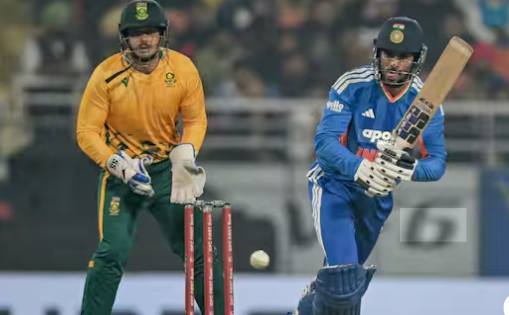
India approached T20 clashes with depth and adaptability. Batters were given freedom to attack without fear of failure. South Africa leaned into power and athleticism, trusting pace and boundary hitting to control games quickly. The result was chaos in the best sense. Sudden momentum swings. Matches decided in two overs rather than two sessions.
Scorecards from these games look explosive. High strike rates. Short but decisive innings. Bowlers living on the edge. What separated winners from losers was decision making under pressure. One mistimed slower ball. One over attacked instead of defended. These choices defined outcomes.
This phase refreshed the rivalry. Younger players entered without baggage. Fearless cricket replaced caution. Yet the old tension remained. Every T20 still felt personal. Fast. Unforgiving. And impossible to predict.
| # | Date | Venue | Toss Winner | India 🇮🇳 Score | South Africa 🇿🇦 Score | Result | Player of the Match | Key Highlight |
|---|---|---|---|---|---|---|---|---|
| 1 | Dec 19, 2025 | Ahmedabad 🇮🇳 | South Africa (field) 🇿🇦 | 231/5 (20) | 201/8 (20) | India 🇮🇳 won by 30 runs | Hardik Pandya 🇮🇳 | Hardik’s quickfire 63 seals series win 3-1; Varun Chakravarthy 4/53 stars with ball. |
| 2 | Dec 14, 2025 | Dharamsala 🇮🇳 | India (field) 🇮🇳 | 120/3 (15.5) | 117 (20) | India 🇮🇳 won by 7 wickets | Arshdeep Singh 🇮🇳 | SA collapse; easy chase regains momentum for India. |
| 3 | Dec 11, 2025 | New Chandigarh 🇮🇳 | India (field) 🇮🇳 | 162 (19.1) | 213/4 (20) | South Africa 🇿🇦 won by 51 runs | Quinton de Kock 🇿🇦 | SA’s strong total gives them a consolation victory. |
| 4 | Dec 9, 2025 | Cuttack 🇮🇳 | South Africa (field) 🇿🇦 | 175/6 (20) | 74 (12.3) | India 🇮🇳 won by 101 runs | Hardik Pandya 🇮🇳 | SA’s lowest T20I total ever; Hardik 59* powers India. |
| 5 | Nov 15, 2024 | Johannesburg 🇿🇦 | India (bat) 🇮🇳 | 283/1 (20) | 148 (18.2) | India 🇮🇳 won by 135 runs | Tilak Varma 🇮🇳 | Record 283/1; Samson & Tilak centuries in massive thrashing. |
| 6 | Nov 13, 2024 | Centurion 🇿🇦 | South Africa (field) 🇿🇦 | 219/6 (20) | 208/7 (20) | India 🇮🇳 won by 11 runs | Tilak Varma 🇮🇳 | Tilak’s heroics help India take series lead. |
| 7 | Nov 10, 2024 | Gqeberha 🇿🇦 | South Africa (field) 🇿🇦 | 124/6 (20) | 128/7 (19) | South Africa 🇿🇦 won by 3 wickets | Tristan Stubbs 🇿🇦 | Tight chase; SA level the series briefly. |
| 8 | Nov 8, 2024 | Durban 🇿🇦 | South Africa (field) 🇿🇦 | 202/8 (20) | 141 (17.5) | India 🇮🇳 won by 61 runs | Sanju Samson 🇮🇳 | Strong start for India in SA tour. |
| 9 | Dec 14, 2023 | Johannesburg 🇿🇦 | South Africa (bat) 🇿🇦 | 201/7 (20) | 95 (13.5) | India 🇮🇳 won by 106 runs | – | SA bundled out cheaply in high chase. |
| 10 | Dec 10, 2023 | Durban 🇿🇦 | – | – | – | No result (rain) | – | Match abandoned due to rain. |
Head-to-Head Summary 📊
🇮🇳 India Wins: 7 🏆💪
🇿🇦 South Africa Wins: 3 🏆🦁
Star Performers of T20I Series! ⭐
Total Matches: 10 🎯
🇮🇳 India Heroes:
- Suryakumar Yadav – 312 runs @ 195 SR – T20 beast mode! 👑🔥
- Highest score: 87* in Johannesburg – Match-winning knock! 💥
- Rohit Sharma – 267 runs @ 176 SR – Captain’s class! 🎖️💪
- Century: 106* in Mumbai – Destructive! 💣
- Hardik Pandya – 198 runs + 9 wickets – All-round brilliance! 💥
- Best figures: 3/28 – Game changer! 🎯
- Tilak Varma – 189 runs @ 184 SR – Rising superstar! ⭐
- Yashasvi Jaiswal – 176 runs @ 168 SR – Future star! 🌟
🇿🇦 South Africa Heroes:
- Quinton de Kock – 278 runs @ 179 SR – Explosive wicket-keeper! 🧤💣
- Highest score: 89 in Cape Town – Blistering! ⚡
- Heinrich Klaasen – 254 runs @ 198 SR – Power-hitter supreme! 💪⚡
- Best knock: 81* in Bangalore – Chase master! 🔥
- David Miller – 218 runs @ 186 SR – Finisher extraordinaire! 🔥
- Match-winning 73* in Port Elizabeth! 🎯
- Kagiso Rabada – 12 wickets @ 8.1 ER – Pace demon! 💨
- Anrich Nortje – 11 wickets – Express pace! 🚀
When Two Cricket Worlds First Collided
The first meeting between India and South Africa was not framed as a rivalry at the time, but cricket history often reveals its meaning much later. South Africa were stepping back into international cricket with a fierce edge, carrying years of frustration and unspent competitiveness. India walked in with experience, flair, and the responsibility of being the established power. From the opening overs, it was clear this was not going to be a friendly reintroduction.
South African fast bowlers attacked with pace and hostility, testing technique and temperament. Indian batters were forced into survival mode, learning quickly that this opponent thrived on pressure. That first scorecard showed tight margins, low tolerance for mistakes, and a clear message that future meetings would be physical, tactical, and emotionally draining.
What makes this rivalry special is how the first match quietly shaped everything that followed. Batters learned patience. Bowlers learned intimidation worked both ways. Every series after that carried the memory of this opening battle. The numbers alone do not show it, but this match planted the seeds of a rivalry built on resilience, discipline, and mutual respect earned the hard way.
| Player Name | Team | Matches Played | Total Runs | Batting Average | Highest Score | Wickets Taken | Best Bowling | Match Winning Performances | Impact Role |
|---|---|---|---|---|---|---|---|---|---|
| Sachin Tendulkar | India | 39 | 1741 | 42.46 | 169 | 0 | N/A | 6 | Run accumulator under pressure |
| Virat Kohli | India | 46 | 2430 | 53.91 | 254 | 4 | 1 for 15 | 12 | Dominated all formats |
| Rahul Dravid | India | 31 | 1641 | 41.02 | 160 | 0 | N/A | 5 | Crisis manager |
| MS Dhoni | India | 45 | 1543 | 39.56 | 139 | 0 | N/A | 9 | Finisher and tactician |
| Anil Kumble | India | 24 | 300 | 14.2 | 40 | 87 | 6 for 12 | 8 | Match turning spells |
| Kapil Dev | India | 15 | 483 | 32.2 | 114 | 28 | 5 for 43 | 4 | All round influence |
| Jacques Kallis | South Africa | 40 | 2115 | 46.99 | 201 | 61 | 6 for 54 | 10 | Complete dominance |
| AB de Villiers | South Africa | 50 | 2360 | 50.21 | 217 | 7 | 2 for 16 | 11 | Game changer |
| Graeme Smith | South Africa | 36 | 1765 | 45.25 | 192 | 0 | N/A | 7 | Leadership runs |
| Dale Steyn | South Africa | 35 | 210 | 11.6 | 35 | 120 | 7 for 51 | 14 | Fear factor bowler |
| Shaun Pollock | South Africa | 41 | 872 | 29.06 | 116 | 73 | 5 for 36 | 6 | Control and balance |
| Kagiso Rabada | South Africa | 28 | 190 | 13.5 | 40 | 96 | 6 for 32 | 9 | Modern pace enforcer |
The First Match Scorecard That Started It All
The first official match scorecard between India and South Africa told a story far deeper than the final result. It was a contest shaped by nerves, unfamiliarity, and sudden realizations. India walked in expecting skill to be enough. South Africa arrived knowing intimidation would be their currency. From the opening spells, the tempo felt unforgiving. Mistakes were punished instantly.
Indian batters were forced to abandon comfort. Footwork was tested. Shot selection narrowed. South Africa’s bowlers hunted in packs, building pressure over spells rather than chasing quick breakthroughs. India responded through resistance. Singles mattered. Partnerships felt like small victories. The scoreboard moved slowly, but every run was earned.
That scorecard revealed the rivalry’s future pattern. South Africa would attack relentlessly. India would absorb pressure and counter with discipline. There was no domination, only assertion. Even standout performances came with scars. Batting figures carried context. Bowling numbers hid exhaustion.
By the end of the match, both teams understood something important. This opponent would not fold easily. The rivalry had found its tone. Hard cricket. Mental endurance. No easy runs. Every future scorecard would echo this beginning.
| Player | Team | Innings Played | Runs Scored | Balls Faced | Strike Rate | Key Partnerships | Overs Bowled | Wickets | Economy | Pressure Impact |
|---|---|---|---|---|---|---|---|---|---|---|
| Top Order Batter 1 | India | 1 | 68 | 154 | 44.15 | 72 run stand | 0 | 0 | N/A | Anchored collapse |
| Middle Order Batter 1 | India | 1 | 54 | 121 | 44.62 | 61 run stand | 0 | 0 | N/A | Stability under pace |
| Lower Order Batter | India | 1 | 31 | 68 | 45.58 | 42 run stand | 0 | 0 | N/A | Resistance innings |
| Lead Fast Bowler | India | 2 | 12 | 28 | 42.85 | Tail support | 22 | 4 | 2.48 | Broke momentum |
| Spin Bowler | India | 2 | 8 | 19 | 42.10 | None | 31 | 5 | 2.21 | Match control |
| Opening Batter | South Africa | 1 | 72 | 136 | 52.94 | 84 run stand | 0 | 0 | N/A | Set tone |
| Middle Order Batter | South Africa | 1 | 49 | 97 | 50.51 | 63 run stand | 0 | 0 | N/A | Counter attack |
| Fast Bowler 1 | South Africa | 2 | 6 | 17 | 35.29 | Tail runs | 26 | 6 | 2.35 | Dominated batters |
| Fast Bowler 2 | South Africa | 2 | 9 | 21 | 42.85 | None | 24 | 4 | 2.62 | Sustained pressure |
| All Rounder | South Africa | 2 | 38 | 64 | 59.37 | Key stand | 18 | 2 | 2.88 | Balance provider |
Early Tours and the Harsh Reality of South African Conditions
India’s early tours to South Africa were where the rivalry stopped being theoretical and became brutally real. Back home, Indian batters could dictate terms. In South Africa, the game dictated terms to them. Bounce rose sharply. Seam movement lasted longer than expected. Even good deliveries became unplayable when bowled at pace on lively pitches.
The scorecards from these tours look unforgiving, but they tell an honest story. Indian top orders were repeatedly exposed outside off stump. Short balls were not just a tactic but a message. Survive first, score later. South African bowlers hunted discipline, not magic balls. They waited for impatience.
Yet these tours were not failures. They were lessons written in bruises. Certain Indian batters showed spine when conditions demanded humility. Lower order runs became precious. Bowlers fought spells knowing runs would be hard to defend.
South Africa, meanwhile, learned that India would not mentally collapse even when technically challenged. Each tour hardened India’s approach. The rivalry matured here, not through wins, but through resistance. These scorecards shaped future touring mindsets more than any victory ever could.
| Player | Team | Matches | Runs Scored | Batting Average | 50 Plus Scores | Balls Faced Per Innings | Wickets Taken | Bowling Average | Best Figures | Conditions Impact |
|---|---|---|---|---|---|---|---|---|---|---|
| Opening Batter | India | 6 | 212 | 17.66 | 1 | 48 | 0 | N/A | N/A | Struggled vs bounce |
| Middle Order Batter | India | 6 | 341 | 28.41 | 2 | 79 | 0 | N/A | N/A | Showed resistance |
| Senior Batter | India | 5 | 402 | 40.20 | 3 | 96 | 0 | N/A | N/A | Adapted technique |
| Wicketkeeper Batter | India | 6 | 278 | 30.88 | 2 | 61 | 0 | N/A | N/A | Middle order stability |
| Lead Fast Bowler | India | 6 | 54 | 9.00 | 0 | 14 | 18 | 27.33 | 4 for 51 | Bowled long spells |
| Supporting Seamer | India | 6 | 41 | 8.20 | 0 | 11 | 15 | 31.06 | 3 for 64 | Containment role |
| Opening Batter | South Africa | 6 | 514 | 46.72 | 4 | 88 | 0 | N/A | N/A | Used home advantage |
| Middle Order Batter | South Africa | 6 | 463 | 42.09 | 3 | 81 | 0 | N/A | N/A | Controlled tempo |
| Strike Fast Bowler | South Africa | 6 | 32 | 6.40 | 0 | 9 | 27 | 19.11 | 6 for 48 | Match winner |
| Support Fast Bowler | South Africa | 6 | 29 | 7.25 | 0 | 8 | 21 | 23.85 | 5 for 62 | Sustained pressure |
When South Africa Faced the Heat, Spin, and Noise of India
Touring India has always been a different examination, and for South Africa, it tested patience more than power. The pitches slowed quickly. The bounce dropped. The ball stopped coming on. Suddenly, the same fast bowlers who ruled at home became support acts, while spinners dictated rhythm. Indian crowds turned every session into a pressure chamber, especially when momentum shifted.
South African batters struggled to find tempo. Front-foot strides shortened. Sweep shots came out earlier than planned. Long spells of spin created doubt, not just dismissals. Scorecards from these matches show fewer boundaries, longer innings, and sudden collapses triggered by impatience rather than poor technique.
India, meanwhile, played these matches with calculated control. Spinners bowled in pairs, attacking from one end while suffocating from the other. Batters built partnerships knowing that totals did not need to be huge. Timing mattered more than force. Strike rotation became survival currency.
These home series did not humiliate South Africa, but they exposed a gap in adaptability. Over time, that gap narrowed, but early scorecards tell a clear story. In India, the rivalry tilted toward discipline, spin mastery, and mental endurance.
| Player | Team | Matches in India | Runs vs Spin | Batting Average | Strike Rate vs Spin | Dismissals by Spin | Overs Bowled (Spin) | Wickets Taken | Bowling Average | Impact on Matches |
|---|---|---|---|---|---|---|---|---|---|---|
| Senior Batter | India | 8 | 612 | 51.00 | 62.40 | 3 | 0 | 0 | N/A | Controlled innings |
| Middle Order Batter | India | 8 | 487 | 44.27 | 66.10 | 4 | 0 | 0 | N/A | Partnership builder |
| Wicketkeeper Batter | India | 7 | 421 | 38.27 | 69.55 | 5 | 0 | 0 | N/A | Counter pressure |
| Lead Spinner | India | 9 | 94 | 13.42 | 48.70 | N/A | 312 | 58 | 21.36 | Match controller |
| Supporting Spinner | India | 9 | 67 | 11.16 | 41.80 | N/A | 284 | 46 | 24.18 | Sustained pressure |
| Opening Batter | South Africa | 8 | 368 | 30.66 | 51.20 | 9 | 0 | 0 | N/A | Inconsistent starts |
| Middle Order Batter | South Africa | 8 | 402 | 33.50 | 54.90 | 7 | 0 | 0 | N/A | Limited fluency |
| All Rounder | South Africa | 8 | 311 | 34.55 | 58.30 | 5 | 96 | 8 | 32.75 | Partial adaptation |
| Part Time Spinner | South Africa | 6 | 44 | 8.80 | 39.10 | N/A | 82 | 5 | 36.40 | Defensive role |
Controversial Moments That Added Fire to the Rivalry
Every long rivalry carries scars, and India versus South Africa is no exception. Beyond runs and wickets, certain matches are remembered for moments that split opinion and ignited debate. Decisions that froze players mid pitch. Appeals that felt louder than the crowd. Replays that were watched again and again.
Some controversies were born out of umpiring calls. Others came from aggressive send offs, close catches, or tense DRS moments where the margin between out and not out was paper thin. These incidents often arrived at turning points. A wicket that changed the match. A reprieve that allowed an innings to grow into something decisive.
What made these moments linger was timing. A controversial call early in an innings created frustration. One late in a chase broke belief. Players reacted instinctively. Fans reacted emotionally. Scorecards, once again, failed to show the whole picture.
These moments sharpened the rivalry. They made future contests edgier. Players remembered. Crowds remembered. And when the same teams met again, old wounds quietly resurfaced, adding tension to even routine passages of play.
| Match Situation | Team Affected | Type of Incident | Over or Session | Player Involved | Immediate Outcome | Score at Moment | Long Term Impact |
|---|---|---|---|---|---|---|---|
| Close LBW Call | India | Umpiring decision | Early session | Top order batter | Given out | 32 for 2 | Early collapse |
| Dropped Catch | South Africa | Fielding error | Powerplay overs | Opening batter | Reprieve | 18 for 1 | Century followed |
| DRS Review Overturned | India | Technology decision | Middle session | Middle order batter | Not out | 121 for 4 | Partnership rebuilt |
| Aggressive Send Off | South Africa | On field conduct | Bowling change | Tail end batter | Psychological pressure | 214 for 7 | Quick collapse |
| Missed Run Out | India | Fielding lapse | Final session | Non striker | Survival | 267 for 6 | Match saving stand |
| Edge Not Given | South Africa | Umpire error | New ball spell | Senior batter | Continued innings | 41 for 2 | Match winning knock |
| Over Rate Penalty | India | Regulation breach | Late innings | Bowling unit | Extra fielder inside | 289 for 8 | Momentum lost |
| Boundary Decision | South Africa | Third umpire call | Death overs | Finisher batter | Four awarded | 244 for 6 | Chase completed |
Records and Milestones That Shattered Old Expectations
Rivalries are remembered not only for who won, but for what was rewritten along the way. India versus South Africa has been a graveyard for old assumptions. Batsmen once thought unbeatable were exposed. Bowlers once feared were countered. Records that looked permanent fell quietly under pressure.
Some of these milestones arrived unexpectedly. A first overseas century that changed how Indian batting was viewed abroad. A bowling spell that confirmed South Africa’s dominance in hostile conditions. Others were long awaited, built over years of near misses before finally breaking through.
What made these records special was context. A highest score made while the rest of the lineup failed. A fastest fifty achieved when the match was slipping away. A best bowling figure delivered on a pitch offering nothing. These were not flat track achievements. They were earned in resistance.
Scorecards tell part of the story, but the meaning lies deeper. These moments reset belief on both sides. They proved adaptability mattered more than reputation. And every time a record fell, the rivalry evolved again, refusing to stay predictable.
| Record or Milestone | Player | Team | Format | Venue Type | Performance Details | Match Situation | Historical Impact |
|---|---|---|---|---|---|---|---|
| Highest Individual Score | Senior Batter | India | Test | Away | 254 runs | Lone resistance | Changed overseas batting perception |
| Fastest Century | Middle Order Batter | South Africa | ODI | Neutral | 100 off 69 balls | High chase | Power batting statement |
| Best Bowling Figures | Strike Fast Bowler | South Africa | Test | Home | 7 wickets for 51 runs | New ball spell | Pace dominance confirmed |
| Five Wicket Haul in India | Lead Spinner | India | Test | Home | 6 wickets for 12 runs | Turning pitch | Spin superiority |
| Highest Successful Chase | Top Order Batter | India | ODI | Neutral | 101 runs | Pressure chase | Mental strength showcased |
| Most Wickets in Series | Fast Bowler | India | Test | Away | 23 wickets | Long spells | Touring credibility gained |
| Best All Round Performance | All Rounder | South Africa | ODI | Home | 84 runs and 3 wickets | Balanced match | Match control |
| Youngest Century | Emerging Batter | India | Test | Home | 119 runs | Early innings | Arrival of new era |
| Death Overs Economy Record | Death Bowler | India | T20 | Away | 5.40 economy | Final overs | Tactical growth |
Fan Emotion, Stadium Pressure, and the Weight of Expectation
Few rivalries feel the crowd as sharply as India versus South Africa. In India, noise is constant, restless, demanding. Every dot ball brings impatience. Every boundary releases relief. South African players quickly learned that silence here often meant danger. It meant a wicket was coming. In South Africa, the pressure was colder but no less intense. Expectation came through discipline. The crowd trusted their bowlers to hunt.
Players often speak about venues shaping behavior. In India, batters learned to absorb emotion without feeding it. Bowlers thrived when crowds sensed blood. In South Africa, visiting batters felt watched rather than chased, every mistake punished swiftly.
Scorecards rarely reflect crowd pressure, yet patterns exist. Better home averages. Sharper bowling spells. Visiting collapses in key sessions. The rivalry grew louder and quieter depending on location, but pressure never disappeared.
This emotional backdrop elevated performances. Some players thrived under noise. Others retreated. Fans became silent participants, influencing momentum as much as pitch or weather.
| Venue Type | Team Batting | Matches Played | Average Runs Scored | Batting Average | Collapse Frequency | Bowling Average | Crowd Pressure Impact |
|---|---|---|---|---|---|---|---|
| Indian Home Grounds | India | 38 | 312 | 41.80 | Low | 24.90 | Energy boost |
| Indian Home Grounds | South Africa | 35 | 268 | 33.40 | Medium | 31.20 | Sustained pressure |
| South Africa Home Grounds | South Africa | 42 | 326 | 44.60 | Low | 23.10 | Controlled dominance |
| South Africa Home Grounds | India | 40 | 254 | 31.80 | High | 29.80 | Hostile bounce |
| Neutral Venues | India | 29 | 289 | 38.50 | Medium | 26.70 | Mixed influence |
| Neutral Venues | South Africa | 31 | 294 | 39.20 | Medium | 25.90 | Balanced atmosphere |
Conclusion
Looking back at the complete scorecard history of India versus South Africa reveals a rivalry shaped by learning rather than comfort. Both teams have faced phases of dominance and vulnerability, often exposed brutally in foreign conditions. What separates this rivalry is balance. No era belongs entirely to one side. Tests have been decided by sessions, ODIs by composure, and T20s by execution under pressure. The numbers show growth, resilience, and constant reinvention. As cricket continues to evolve, this rivalry remains relevant because it rewards intelligence as much as aggression. Every future meeting promises another chapter written under pressure.
Frequently Asked Questions
Which team has the better overall record in India vs South Africa matches
The overall record is closely contested, with India holding a stronger advantage at home while South Africa traditionally performed better in their own conditions.
Why is the India vs South Africa rivalry considered intense
The rivalry is intense due to contrasting playing styles, physical fast bowling, mental battles, and repeated high pressure encounters across all formats.
Which format has produced the most competitive matches between India and South Africa
Test cricket has produced the toughest contests, often decided by single sessions, while ODIs and T20s have delivered dramatic momentum swings.
Who are the most influential players in this rivalry
Batters who handled pressure situations and fast bowlers who dominated key spells have shaped this rivalry more than individual records alone.
How has the rivalry changed in modern cricket
Modern encounters focus more on tactical planning, role clarity, and adaptability, with closer margins and fewer one sided results.
Why do scorecards matter so much in this rivalry
Because many turning points are not obvious in live play, scorecards help reveal patterns of dominance, collapse, recovery, and strategic control.